In the fast-paced world of modern business, staying ahead means more than just managing customer relationships—it’s about seamlessly integrating those interactions with efficient project management. Imagine a world where your CRM software does more than track customer data; it transforms into a powerhouse of project management capabilities. This integration is not just a trend; it’s a game-changer, setting businesses up to soar beyond the competition.
Welcome to the future of business solutions where CRM software with project management features redefines how you approach growth and efficiency. With the right tools, your team can collaborate like never before, delivering projects on time while keeping your customers delighted. Let’s embark on this journey to discover how these innovative systems can become the backbone of your business success.
Overview of CRM Software with Project Management Features
In today’s fast-paced business environment, having a robust tool that combines customer relationship management (CRM) with project management can be a game-changer. This powerful integration enables businesses to streamline operations and enhance productivity.
Integrating CRM with project management functionalities allows businesses to not only keep track of customer interactions but also manage project timelines, resources, and collaboration all in one platform. This seamless blend of tools ensures that teams remain coordinated and informed, ultimately leading to better customer satisfaction and improved project outcomes.
Integration of CRM and Project Management Functionalities
CRM software with project management features offers a holistic approach to managing business processes. These platforms typically provide modules for tracking leads, managing client communications, and overseeing project progress. The integration allows for a centralized database where all customer and project data are accessible, thus facilitating quick decision-making and enhanced team collaboration.
Examples of Popular CRM Software with Project Management Features
Several well-known CRM platforms now incorporate project management capabilities. For example, Salesforce offers project management integrations through its AppExchange, providing tools for task management and collaboration. Similarly, Zoho CRM includes project management modules that help teams plan and execute projects efficiently. Monday.com is another platform that excels by offering customizable workflows that align CRM functions with project tasks.
- Salesforce: Offers project management through integrations.
- Zoho CRM: Incorporates project modules for efficient planning.
- Monday.com: Provides customizable workflows for combined CRM and project tasks.
Benefits of Combining CRM and Project Management in One Platform
The synergy between CRM and project management functionalities offers numerous benefits that can transform business operations. By having both systems in one platform, companies can reduce information silos, streamline communication, and improve data accuracy. This integration leads to
enhanced team productivity
as teams can easily access all necessary information without switching between multiple tools.
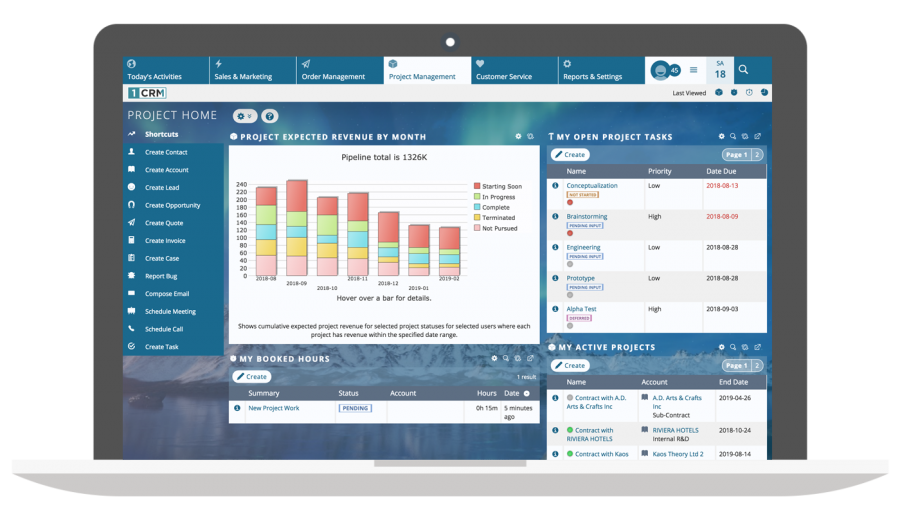
Additionally, businesses can achieve better alignment of their sales and project objectives, resulting in a more cohesive strategy execution. The insights gained from integrated reports and analytics further empower businesses to make informed decisions and drive growth.
Key Features of CRM Software with Project Management Capabilities
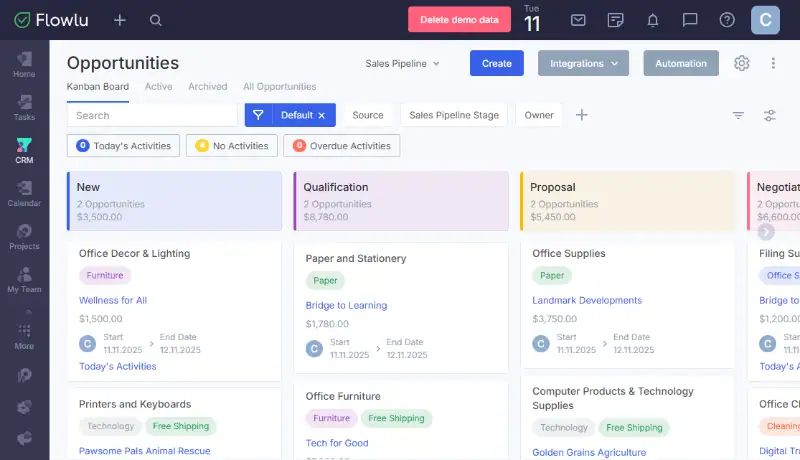
Unlock the true potential of your business by integrating CRM software with powerful project management features. This combination not only strengthens customer relationships but also augments project efficiency.
By blending these two pivotal functionalities, businesses can seamlessly navigate through the intricacies of client interactions while simultaneously managing project timelines and resources with ease.
Core Features Enhancing Project Management
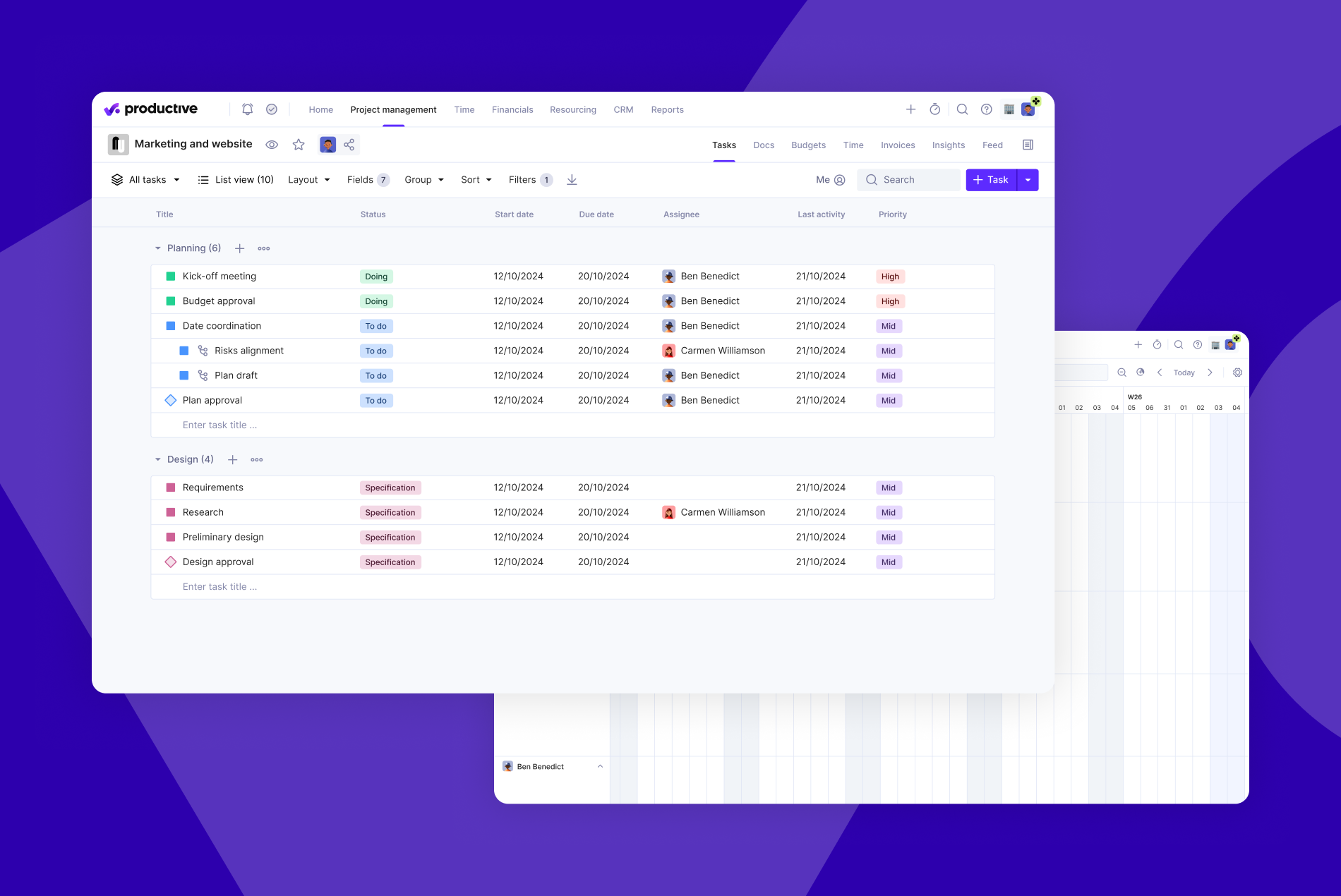
At the heart of this integration are features that synergize customer relationship management with effective project oversight. These core attributes include task tracking, resource allocation, timeline management, and collaborative tools. Each feature is meticulously designed to provide a comprehensive view of both customer interactions and project progress, facilitating a
well-rounded approach to business success
.
- Task Management: A dashboard that offers real-time updates on task status and deadlines.
- Resource Allocation: Ensure optimal utilization of resources across various projects.
- Collaboration Tools: Seamless communication among team members and clients for effective decision-making.
- Timeline Management: Gantt charts and calendars that keep project milestones in check.
Comparison of Project Management Tools in CRM Systems
To provide a clearer perspective, let’s compare the project management tools offered by different CRM systems:
| CRM System | Task Management | Resource Allocation | Collaboration Features | Timeline Management |
|---|---|---|---|---|
| System A | Advanced | Basic | Comprehensive | Standard |
| System B | Standard | Advanced | Basic | Comprehensive |
| System C | Comprehensive | Standard | Advanced | Basic |
Streamlining Customer and Project Workflows
The integration of CRM and project management features crafts a harmonious workflow that caters to both customer and project needs. By centralizing client data and project details, teams can efficiently track customer interactions while monitoring project progress. This dual focus not only enhances customer satisfaction but also optimizes project delivery timelines, ultimately driving organizational success.
Benefits of Using Integrated CRM and Project Management Tools
In today’s fast-paced business environment, the integration of CRM and project management tools is a game-changer. It combines the strengths of customer relationship management with the efficiency of project handling, transforming the way teams operate.
By merging these tools, businesses can streamline processes, enhance customer satisfaction, and boost team productivity, all while maintaining a laser focus on project goals. The synergy created by this integration is not just a luxury—it’s a necessity for businesses aiming for excellence.
Enhancing Team Collaboration and Efficiency
Integrated CRM and project management tools dismantle the silos that often hinder effective collaboration. By providing a unified platform, teams can seamlessly share information and updates, leading to real-time collaboration and faster decision-making. This integration ensures that everyone is on the same page, thus reducing misunderstandings and miscommunications.
- Centralizes information, making it accessible to all team members.
- Facilitates smooth communication channels with instant updates.
- Reduces the need for multiple applications, saving time and resources.
- Enables quick problem-solving through better visibility of project status.
Case Studies: Real-World Success Stories
Several businesses have witnessed remarkable improvements after implementing integrated CRM and project management solutions. Let’s delve into a few success stories:
| Company | Challenge | Solution | Outcome |
|---|---|---|---|
| Tech Innovators Inc. | Fragmented communication across departments. | Adopted integrated CRM-project management system. | Improved project completion rate by 30% and enhanced team collaboration. |
| Green Solutions Ltd. | Inconsistent customer interaction records. | Leveraged integration for centralized data management. | Increased customer satisfaction scores by 40%. |
| FinancePro Corp. | Inefficient project tracking and reporting. | Implemented a unified platform for CRM and project tasks. | Boosted reporting accuracy and reduced project delays. |
“The fusion of CRM and project management tools is not just about technology; it’s about transforming how teams work together to achieve more.” – Industry Expert
Challenges in Implementing CRM Software with Project Management Features
Implementing CRM software with project management capabilities might seem like a panacea for organizational woes, but businesses often encounter significant hurdles during the adoption process. Addressing these challenges head-on can pave the way for a smoother transition and greater success.
Understanding and systematically overcoming these obstacles is crucial, as failure to do so may result in disrupted operations, diminished productivity, and ultimately, a negative impact on the bottom line.
Resistance to Change and Adoption Hurdles
One of the most common challenges is resistance to change from employees accustomed to traditional tools and workflows. To overcome this, organizations should implement a comprehensive change management strategy. This can include:
- Conducting awareness sessions to communicate the benefits of the new system.
- Providing hands-on training for users to build confidence in using the software.
- Establishing feedback loops to address concerns and incorporate user suggestions.
Without addressing these hurdles, employees might underutilize the tool, leading to suboptimal outcomes and wasted investment.
Integration with Existing Systems
Integrating CRM and project management software with existing systems can be technically challenging. It’s essential to ensure seamless data flow and compatibility to maximize the tool’s effectiveness. Businesses should:
- Conduct a comprehensive audit of existing systems to identify potential integration issues.
- Engage with experienced IT professionals for smooth integration.
- Utilize API solutions to facilitate data exchange between platforms.
Failure to effectively integrate can lead to data silos, resulting in fragmented information and inefficient processes.
Cost Overruns and Budget Constraints
Financial constraints can thwart the successful adoption of CRM solutions equipped with project management features. To mitigate this, organizations should:
- Set a realistic budget that accounts for software costs, training, and support.
- Explore vendor options to find the best value for money.
- Create contingency plans to manage unforeseen expenses.
Ignoring budgetary challenges can lead to project delays or abandonment, severely impacting strategic initiatives.
Impact on Business Operations
Failing to address these challenges can have profound implications on business operations. If not properly managed, the introduction of a new system might disrupt workflows, lower employee morale, and reduce customer satisfaction. It is imperative to tackle these issues proactively to ensure a positive transition and leverage the full potential of integrated CRM and project management tools.
Best Practices for Maximizing the Use of CRM Software with Project Management Features
Integrating CRM software with project management capabilities can be a game-changer for your business, streamlining operations and enhancing efficiency. But how can you ensure that you are getting the most out of this powerful combination?
By implementing a few best practices, businesses can unlock the full potential of these tools, driving success and improving collaboration across teams. Let’s delve into some techniques and training tips that can elevate your usage of these integrated systems.
Establish Clear Objectives and KPIs
Before diving into the software, it’s crucial to establish clear objectives and key performance indicators (KPIs) to guide your team. Knowing what you aim to achieve will help align all activities within the CRM and project management framework. Setting measurable goals ensures that your usage of the software directly correlates with business outcomes.
Regular Training and Skill Development
Consistent training sessions are essential to ensure that your team is not only familiar with the system but also using it to its fullest potential. Organize interactive workshops and provide resources that empower employees to explore advanced features. Remember, an informed team is a productive team!
Leverage Automation for Repetitive Tasks
Utilize the automation features within your CRM and project management tools to handle repetitive tasks. This approach saves time, reduces human error, and allows your team to focus on strategic initiatives. Automation can range from setting up reminders to automating client follow-ups and project updates.
Facilitate Seamless Communication
Ensure that your CRM and project management tools are synchronized to facilitate seamless communication across departments. Effective communication channels can prevent misunderstandings and keep projects on track. Consider integrating communication platforms directly into the software to centralize all interactions.
Analyze and Optimize Regularly
Regular analysis of your CRM and project management activities will highlight areas for improvement. Use data analytics to track team performance, customer interactions, and project outcomes. This information is invaluable for optimizing processes and enhancing overall productivity.
Future Trends in CRM Software and Project Management Integration

As businesses continue to navigate the digital landscape, the integration of CRM software and project management tools is undergoing a transformational shift. This evolution is driven by the desire to streamline operations, enhance customer experiences, and boost productivity. Let’s explore the emerging trends poised to redefine this integration.
With each passing year, technological advances are reshaping how companies utilize software tools, particularly in CRM and project management. The convergence of these platforms is not only about improving efficiency but also about creating a seamless experience that aligns with modern business strategies.
AI and Machine Learning Enhancements
The integration of artificial intelligence (AI) and machine learning into CRM and project management software is revolutionizing how businesses approach customer relationships and project execution. AI-driven analytics can predict customer behaviors, optimize resource allocation, and automate repetitive tasks, ensuring more informed decision-making and efficient workflows.
Enhanced Mobility and Cloud Solutions
As the workforce becomes more mobile, the demand for cloud-based solutions that offer flexibility and real-time accessibility is soaring. This trend is encouraging the development of apps and platforms that provide a seamless experience across devices, enabling teams to collaborate and manage projects from anywhere in the world.
Integration with IoT and Data Analytics
The proliferation of Internet of Things (IoT) devices offers new opportunities for CRM and project management integration. By harnessing data from connected devices, businesses can gain deeper insights into customer interactions and project performance, paving the way for more customized solutions and predictive analysis.
Focus on Customer-Centric Experiences
Today’s businesses are prioritizing customer-centric experiences, and this trend is influencing the integration of CRM and project management. By leveraging integrated systems, companies can ensure that project deliverables align with customer expectations, leading to higher satisfaction and loyalty.
“In a world where technology is ever-evolving, staying ahead of emerging trends is key to maintaining a competitive edge.”
Summary
Embracing CRM software with integrated project management features is not just about adopting new technology; it’s about revolutionizing your entire business approach. As you navigate the challenges and reap the rewards, remember that the key to success lies in leveraging these tools to their full potential. The future is bright for those who adapt and evolve—your business is not just a part of the future; it is leading it. So, are you ready to transform your operations and achieve remarkable results?