Imagine a world where your business operations flow seamlessly, costs shrink, and customer satisfaction skyrockets—all thanks to the wonders of cloud-based CRM software. It’s not just a trend; it’s a revolution that’s transforming the way businesses interact with their customers and manage their operations.
With cloud-based CRM, you’re not just adopting a technology; you’re embracing a future where efficiency, accessibility, and innovation are at your fingertips. Join us as we explore how this cutting-edge solution can empower your business through cost efficiency, unrivaled accessibility, scalability, and more.
Cost Efficiency

In an era where every penny counts, cloud-based CRM software emerges as a hero in reducing operational costs for businesses.
By embracing the cloud, companies can cut down on hefty IT costs, making the shift from traditional CRM systems a financially savvy move.
Subscription-Based Pricing Models
Gone are the days of shelling out massive upfront payments for CRM systems. With cloud-based solutions, businesses can enjoy flexible subscription-based pricing, paying only for what they need. This model allows organizations to adjust their expenditure in alignment with their growth, ensuring a match between their CRM capabilities and actual business requirements. For instance, small businesses can start with basic packages and gradually scale up as their customer base expands, facilitating a smooth and financially prudent growth trajectory.
Eliminating Hardware Purchases
One of the most compelling aspects of cloud-based CRM is the elimination of hardware costs. No need for expensive servers or infrastructure that become obsolete and require constant upgrades. By leveraging the cloud, companies sidestep the financial burden of purchasing and maintaining physical hardware, redirecting those funds into other growth-promoting initiatives. Imagine the relief of not worrying about hardware depreciation or unexpected repairs!
Reduced Maintenance and Upgrade Expenses
Maintenance and upgrades are crucial, yet they can be a financial drain when relying on traditional CRM systems. Cloud-based CRM solutions alleviate this burden by handling all software updates and maintenance remotely, often included within the subscription cost. This ensures that businesses always have access to the latest features and security updates without incurring additional expenses. By cutting out these costs, companies can focus their financial resources on strategic initiatives that drive competitiveness and innovation in their market space.
Accessibility and Mobility
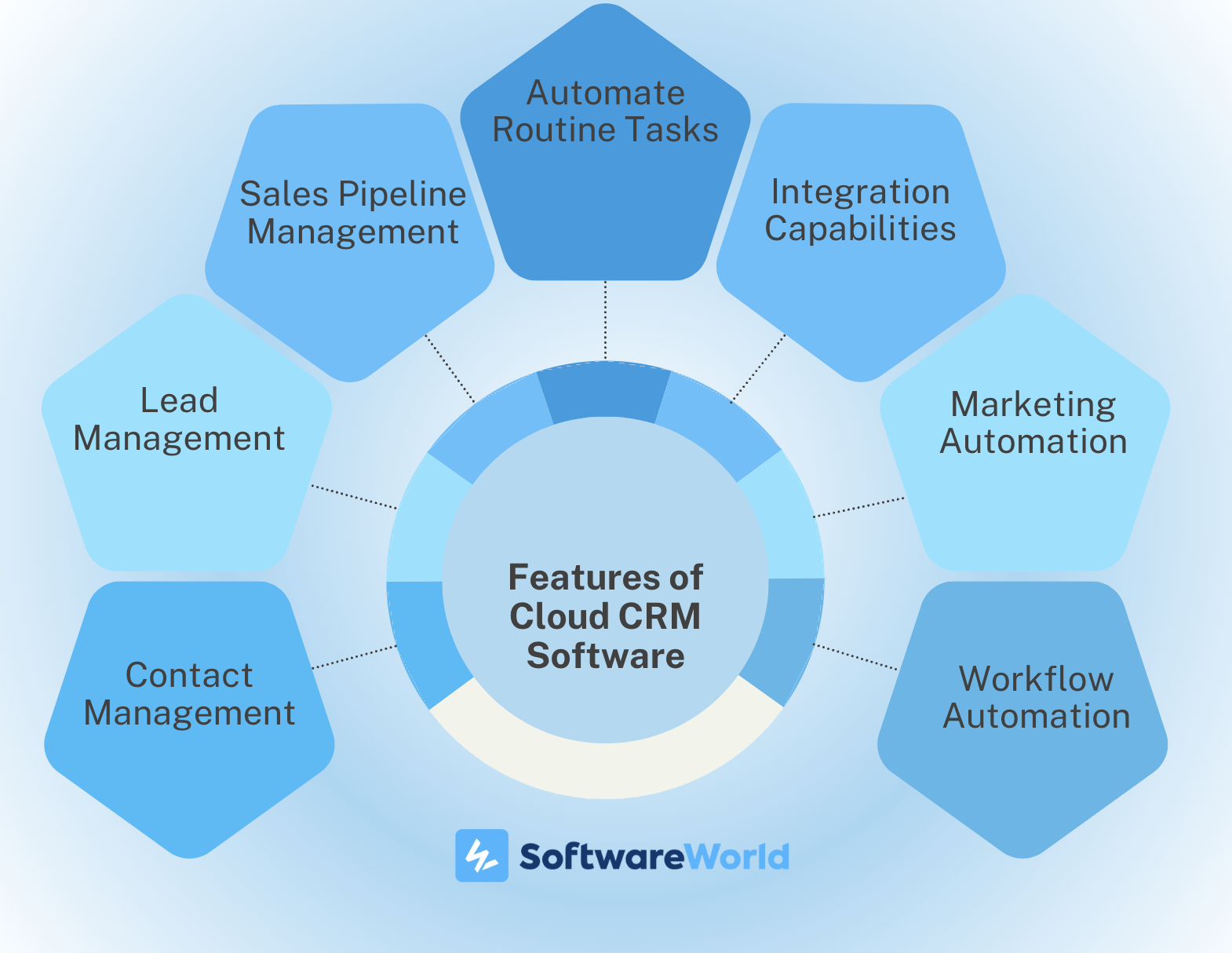
In today’s fast-paced business environment, the capability to access information anytime, anywhere, is not just a luxury—it’s a necessity. Cloud-based CRM software makes this possible by offering unparalleled accessibility and mobility.
Imagine having the power to keep your finger on the pulse of your business no matter where you are. Cloud-based CRM empowers you to do just that, providing seamless access to critical customer data whether you’re at the office, on the road, or even working from the comfort of your home.
Smooth Remote Work Capabilities
With cloud-based CRM, remote work becomes not only feasible but also incredibly efficient. By leveraging internet connectivity, employees can access CRM data from multiple devices such as laptops, tablets, and smartphones. This flexibility means that your team is no longer tethered to their desks. Instead, they can collaborate and manage customer relationships from virtually anywhere in the world.
Advantages of Multi-Device Access
Accessing CRM data from a variety of devices allows for greater flexibility and productivity. Whether your sales team is visiting clients or your customer service reps are handling inquiries from home, they have the tools they need right at their fingertips. This seamless connectivity ensures that information is always up-to-date and available when it’s needed most.
The Role of Internet Connectivity
Internet connectivity is the backbone of cloud-based CRM accessibility. It ensures that data is synchronized in real-time, so every team member is working with the latest information. No more outdated spreadsheets or miscommunications. With strong, reliable internet access, your team will always be equipped to deliver superior customer service.
Scenarios Where Mobility Enhances Customer Service
Imagine these scenarios where mobility truly shines, transforming customer service into an art form:
- Sales reps can update customer profiles immediately after meetings, ensuring no detail is lost.
- Customer service agents can access customer history instantly, even while on a call, to provide personalized support.
- Managers can monitor team performance and customer interactions, making informed decisions on the go.
- Field technicians can receive real-time updates, ensuring they have the latest information before arriving on-site.
- During trade shows or events, sales teams can capture leads directly into the CRM, reducing data entry errors and accelerating follow-up.
Mobility isn’t just about working from anywhere; it’s about working smarter.
Scalability and Flexibility

Embracing the potential of cloud-based CRM software opens a world of growth and adaptability for businesses of all sizes. As a company evolves, so too can its CRM capabilities, ensuring that no opportunity is missed along the journey.
Cloud-based CRMs offer a unique advantage: they can grow with your company, providing the tools needed to handle an increase in data, users, and customer interactions with ease. When your business expands, your CRM can be upgraded effortlessly to accommodate additional features and integrations, making your customer relationship management both robust and versatile.
Dynamic Growth with Scalable Features
One of the most compelling aspects of cloud-based CRM solutions is their ability to scale alongside your business. As your customer base and team size increase, your CRM can seamlessly adjust, expanding its capacity to meet new demands. Consider features like increased data storage, additional user licenses, and advanced analytics capabilities that can be effortlessly added to support your growing needs.
Moreover, flexibility in customizing your CRM platform ensures that it aligns perfectly with your business processes. Whether it’s through personalized dashboards, tailored workflows, or specific integrations, cloud-based CRMs can be molded to fit your exact requirements, providing a personalized experience that traditional systems can’t match.
For smaller businesses, scalability means cost-effective growth, where investments in CRM infrastructure are incremental and based on actual needs. Large enterprises, on the other hand, benefit from the ability to handle sophisticated data management and complex customer interactions on a global scale.
| Scalability Benefits | Small Businesses | Large Businesses |
|---|---|---|
| Cost-effective Expansion | Pay-as-you-grow model | Optimized for large deployments |
| Resource Allocation | Efficient use of limited resources | High-level resource management |
| Feature Customization | Customization to fit niche needs | Advanced personalization and integration |
“With a cloud-based CRM, you can expand your capabilities without the headache of traditional infrastructure constraints.”
Data Security and Compliance

In an era where data breaches are as common as your morning coffee, ensuring the security of customer information is not just important—it’s imperative. When it comes to cloud-based CRM software, data security and compliance are top priorities that should never be compromised.
Cloud CRM providers implement a myriad of security measures designed to thwart cyber threats and protect sensitive information. From advanced encryption protocols to regular security audits, these measures ensure that customer data is always secure and accessible only to those with the right credentials.
Comprehensive Security Measures by Cloud CRM Providers
Cloud CRM providers employ robust security frameworks that include multi-factor authentication, access controls, and intrusion detection systems. These measures are akin to having a digital fortress around your data. Additionally, data is stored in secure data centers, fortified with physical security measures and redundant power supplies to safeguard against any disruptions.
Furthermore, regular security audits and updates ensure that the system remains resilient against emerging cyber threats. These practices serve as a bulwark against potential vulnerabilities, ensuring that your customer data remains protected round-the-clock.
Importance of Compliance with Data Protection Regulations
Compliance with data protection regulations such as GDPR and CCPA is not just about avoiding fines—it’s about building trust with your customers. Cloud CRM systems are designed to facilitate compliance with these regulations by ensuring data is processed and stored in accordance with legal standards.
This means cloud CRM systems often include features like data anonymization and consent tracking, helping businesses effortlessly adhere to the labyrinth of data protection laws worldwide. By ensuring compliance, businesses not only protect themselves from legal repercussions but also foster a sense of trust and transparency with their customers.
Comparing Data Security: Cloud-Based vs. On-Premise CRM Systems
When comparing cloud-based CRM systems to on-premise ones, several key differences in data security measures stand out.
| Aspect | Cloud-Based CRM | On-Premise CRM |
|---|---|---|
| Security Updates | Automatic and Regular | Manual and Infrequent |
| Data Encryption | End-to-End Encryption | Network Level Encryption |
| Scalability of Security Measures | Highly Scalable | Limited by Infrastructure |
While on-premise systems offer a sense of control, they often require significant resources to keep security measures up-to-date. In contrast, cloud-based systems provide automatic updates, ensuring that security protocols evolve in line with the latest threats.
Understanding Encryption in Cloud CRMs
Encryption is a cornerstone of data security in cloud CRMs. When data is encrypted, it is converted into a coded format that is undecipherable without the correct decryption key. This process occurs at multiple stages—during data transfer (in transit) and while data is stored (at rest).
Cloud CRMs typically use advanced encryption standards (AES-256), which is widely recognized as one of the most secure encryption methods available. This ensures that even if data is intercepted, it remains unintelligible to unauthorized users. By implementing such high-level encryption protocols, cloud CRM providers guarantee that your data remains confidential and protected from prying eyes.
Integration and Collaboration
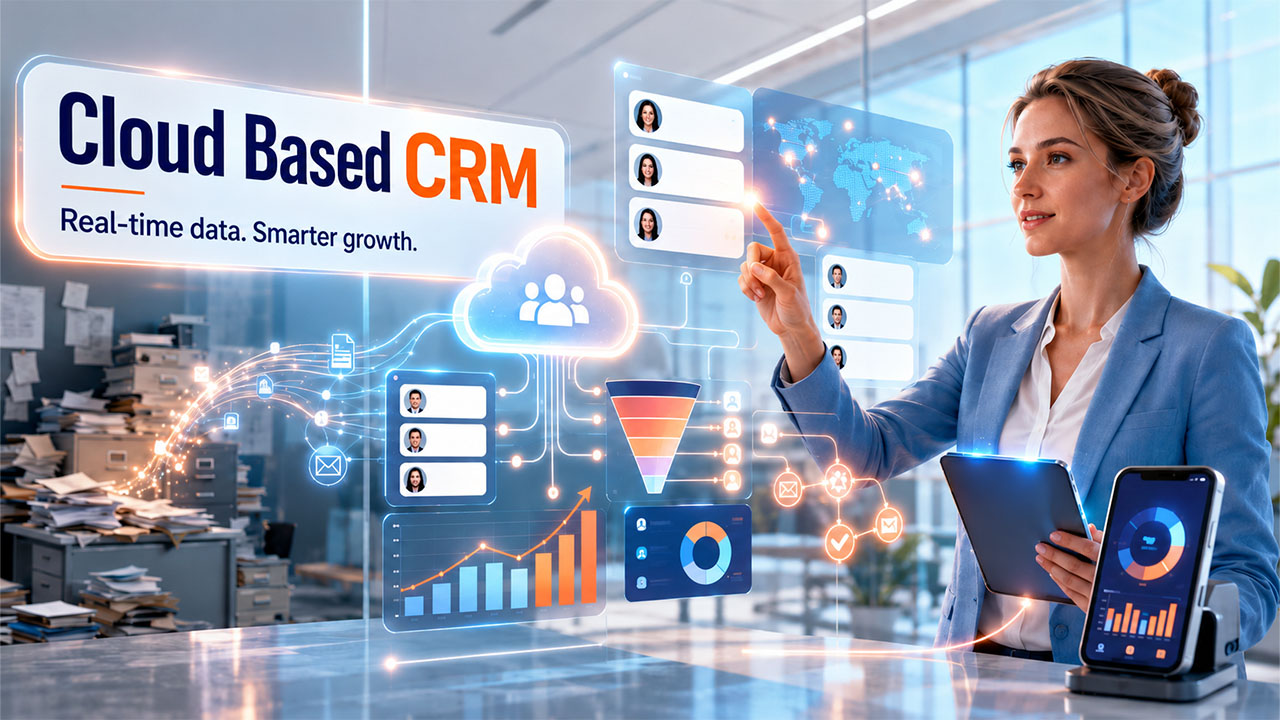
In a rapidly evolving digital landscape, the power of cloud-based CRM systems lies in their ability to seamlessly integrate with other business applications, thereby enhancing productivity and fostering better collaboration across teams. Let’s explore how this integration transforms the way we work.
Integrating cloud CRM with other tools not only streamlines processes but also centralizes data, leading to more informed decision-making and a cohesive work environment. This interconnectedness ensures that teams have access to the right information at the right time, breaking down silos and fostering a culture of collaboration.
Empowering Productivity through Integration
Cloud-based CRMs are designed to effortlessly connect with a multitude of third-party applications, creating a hub of interactivity that fuels efficiency. Whether it’s syncing with email platforms, customer service software, or marketing automation tools, the integration process is streamlined to enhance business operations.
The process typically involves using APIs (Application Programming Interfaces) or pre-built connectors available in the CRM’s marketplace, reducing the need for extensive IT involvement. By ensuring that all critical business tools are speaking the same language, teams can focus on strategic tasks rather than manual data entry and reconciliation.
Strategies for Enhanced Team Collaboration
To maximize the potential of CRM systems in promoting collaboration, organizations can implement several strategies:
- Standardize communication protocols through CRM to ensure all team members are on the same page.
- Utilize shared dashboards and reports to provide visibility into project progress and customer interactions.
- Encourage cross-departmental collaboration by integrating CRM with project management and communication tools.
- Automate routine tasks and notifications to free up time for strategic collaboration.
Essential CRM Integrations that Drive Success
To unlock the full potential of your CRM, consider these critical integrations:
- Email and Calendar Systems (e.g., Outlook, Gmail)
- Customer Support Platforms (e.g., Zendesk, ServiceNow)
- Marketing Automation Tools (e.g., MailChimp, HubSpot)
- Accounting Software (e.g., QuickBooks, Xero)
- Social Media Management Tools (e.g., Hootsuite, Buffer)
- Project Management Applications (e.g., Asana, Trello)
These integrations not only improve productivity but also ensure that your business operates as a cohesive unit, ready to meet the challenges of a dynamic marketplace.
Automatic Updates and Innovation
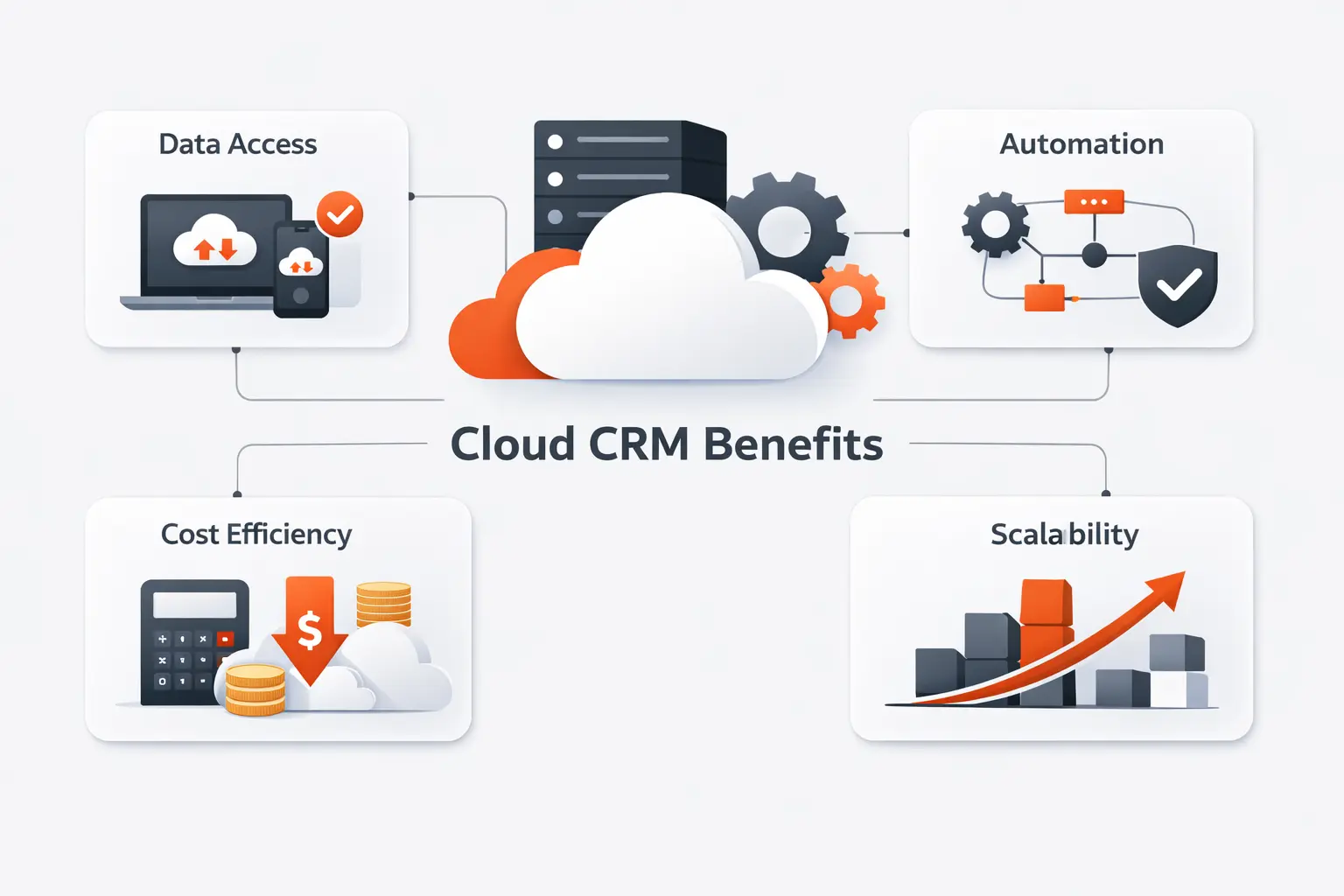
In the digital age, staying ahead of the curve isn’t just an advantage—it’s a necessity. Cloud-based CRM software, with its seamless automatic updates, ensures that businesses are always equipped with the latest tools and features.
This continuous evolution not only enhances the CRM experience but also drives innovation, helping businesses to remain competitive in a rapidly changing market.
Consistent Evolution with Automatic Updates
With automatic updates integrated into cloud-based CRM software, businesses no longer need to worry about manually downloading and installing the latest versions. These updates are rolled out without disruption, ensuring that users always have access to the most up-to-date features. This consistent evolution reduces downtime and keeps operations running smoothly.
Innovation through Frequent Updates
The frequency of updates plays a crucial role in ensuring that the CRM software remains innovative. Regular updates introduce new functionalities, improve user interfaces, and enhance performance. In a competitive market, having access to cutting-edge features can set a business apart from its competitors. Let’s take a closer look at how update frequency can lead to significant feature enhancements:
| Update Frequency | Feature Enhancements |
|---|---|
| Monthly | Minor bug fixes, interface improvements, enhanced security protocols. |
| Quarterly | Introduction of new features, integration of user feedback, performance boosts. |
| Bi-annually | Major feature rollouts, comprehensive system upgrades, integration with emerging technologies. |
Staying Competitive with Real-Time Updates
Participating in the innovation race requires more than just keeping up; it demands leading from the front.
“Being up-to-date means being ahead.”
Businesses leveraging automatic updates in their CRM systems are always a step ahead, ready to capitalize on new opportunities as they arise. By embracing innovation, they enhance their capacity to meet customer demands and adapt to industry trends effectively.
Final Summary

In a competitive business landscape, staying ahead means embracing tools that offer more than just promises. Cloud-based CRM software is not just an advantage—it’s a game-changer. By unlocking the potential of flexibility, security, and seamless updates, your business can not only survive but thrive. Embrace the future and let your business soar to new heights with the power of the cloud.