In today’s fast-paced digital world, staying connected with customers is more crucial than ever. Imagine a seamless blend of CRM software and social media, a fusion that promises not only efficiency but also unprecedented customer engagement. This is not just a possibility—it’s the future of business interaction.
By integrating CRM software with social media platforms, businesses unlock a treasure trove of opportunities to engage with their audience in real-time, harnessing the power of data to tailor experiences that are both personal and impactful. Dive into this exploration of how CRM software is transforming the way we connect with customers through social media.
Integration Capabilities of CRM Software with Social Media

In today’s digital era, integrating CRM software with social media platforms is not just an advantage—it’s a necessity. This integration empowers businesses to harness the power of social engagement and customer insights.
Having a CRM system that seamlessly connects with social media channels can transform the way businesses interact with customers. It enables organizations to track social interactions, gather valuable customer data, and manage all communication from a single platform. By doing so, companies can deliver more personalized experiences and boost customer satisfaction.
Benefits of Integrating CRM Software with Social Media Platforms
Integrating CRM software with social media offers a multitude of benefits that can significantly enhance business operations. First, it allows companies to monitor customer interactions across various social media channels. This capability ensures a unified communication strategy, which can lead to increased brand loyalty. Furthermore, businesses can collect and analyze social data to gain deeper insights into customer preferences and behavior, facilitating more targeted marketing strategies.
Popular CRM Software Offering Social Media Integration
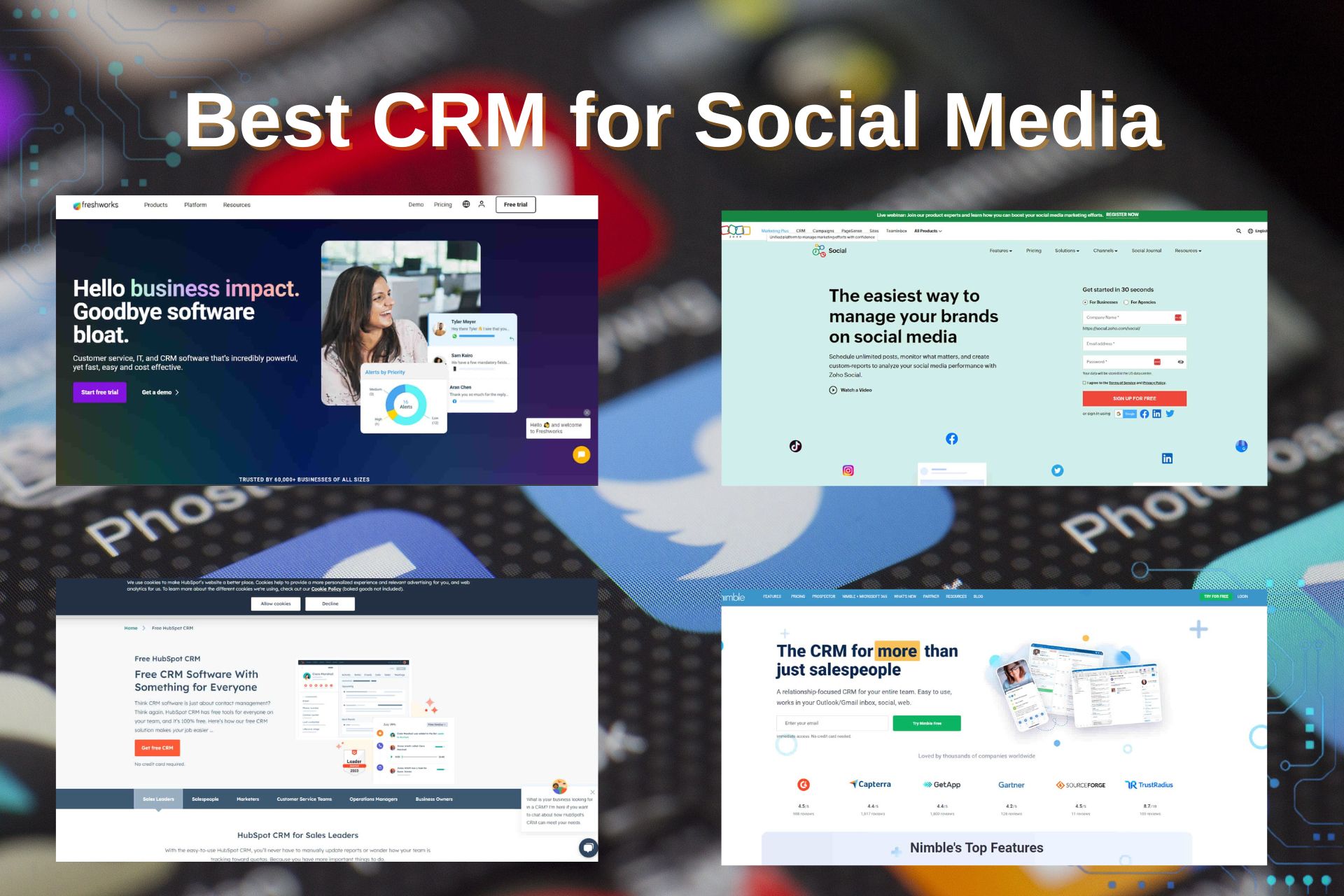
Several CRM software solutions are renowned for their robust social media integration capabilities. Tools like Salesforce, HubSpot, and Zoho CRM have set the benchmark in this domain. These platforms offer comprehensive features that allow businesses to connect their CRM systems with popular social networks, enabling them to manage social interactions alongside traditional customer relationship data.
Key Features to Look for in CRM Software for Social Media Integration
When evaluating CRM software for social media integration, there are several key features to consider. Look for software that supports seamless API integration with major social platforms such as Facebook, Instagram, and Twitter. Additionally, the CRM should offer social listening tools to help track brand mentions and customer sentiment. Another important feature is the ability to schedule and manage social media posts directly from the CRM, streamlining content management and engagement strategies.
Comparison of CRM Tools and Their Social Media Integration Capabilities
The table below compares popular CRM tools based on their social media integration capabilities:
| CRM Tool | Social Platforms Integrated | Key Features |
|---|---|---|
| Salesforce | Facebook, Twitter, LinkedIn | Social listening, engagement tracking, advanced analytics |
| HubSpot | Instagram, Facebook, Twitter | Post scheduling, centralized inbox, sentiment analysis |
| Zoho CRM | LinkedIn, Twitter, Instagram | Social media monitoring, real-time updates, integration API |
Enhancing Customer Engagement through Social Media Integration

In today’s digital landscape, where customer interaction is paramount, leveraging CRM software integrated with social media is a game-changer. This integration not only streamlines communication but also enriches the customer experience.
Through strategic use of CRM systems, businesses can elevate their customer engagement by harnessing the power of social media insights. It’s about creating a seamless bridge between customers’ social interactions and your brand’s response strategies.
Methods of Enhancing Engagement via Social Media
CRM systems, when integrated with social media platforms, offer a dynamic approach to customer engagement. They allow businesses to track customer interactions and feedback in real-time, customize communication strategies, and deliver personalized experiences. By analyzing social media data, businesses can anticipate customer needs and craft timely, relevant messages that resonate with their audience.
Strategies for Leveraging Social Media Data
Utilizing social media data within CRM platforms can revolutionize how businesses understand and interact with their customers. By capturing and analyzing data such as customer preferences, feedback, and behavior patterns, companies can inform their marketing strategies and product development processes. Embracing these insights enables a more tailored and effective communication strategy that aligns with customer expectations.
Best Practices for Monitoring Social Media Interactions
Monitoring social media interactions through CRM software is essential for maintaining a strong online presence. Here are some best practices to consider:
- Set up alerts for brand mentions across all platforms.
- Regularly review and analyze engagement metrics.
- Integrate customer feedback into product development.
- Ensure consistent and genuine responses to customer inquiries.
- Leverage automation to streamline routine interactions.
The importance of timely responses to social media interactions cannot be overstated. Responding promptly not only enhances customer satisfaction but also strengthens brand loyalty and trust.
Tracking and Analyzing Social Media Metrics
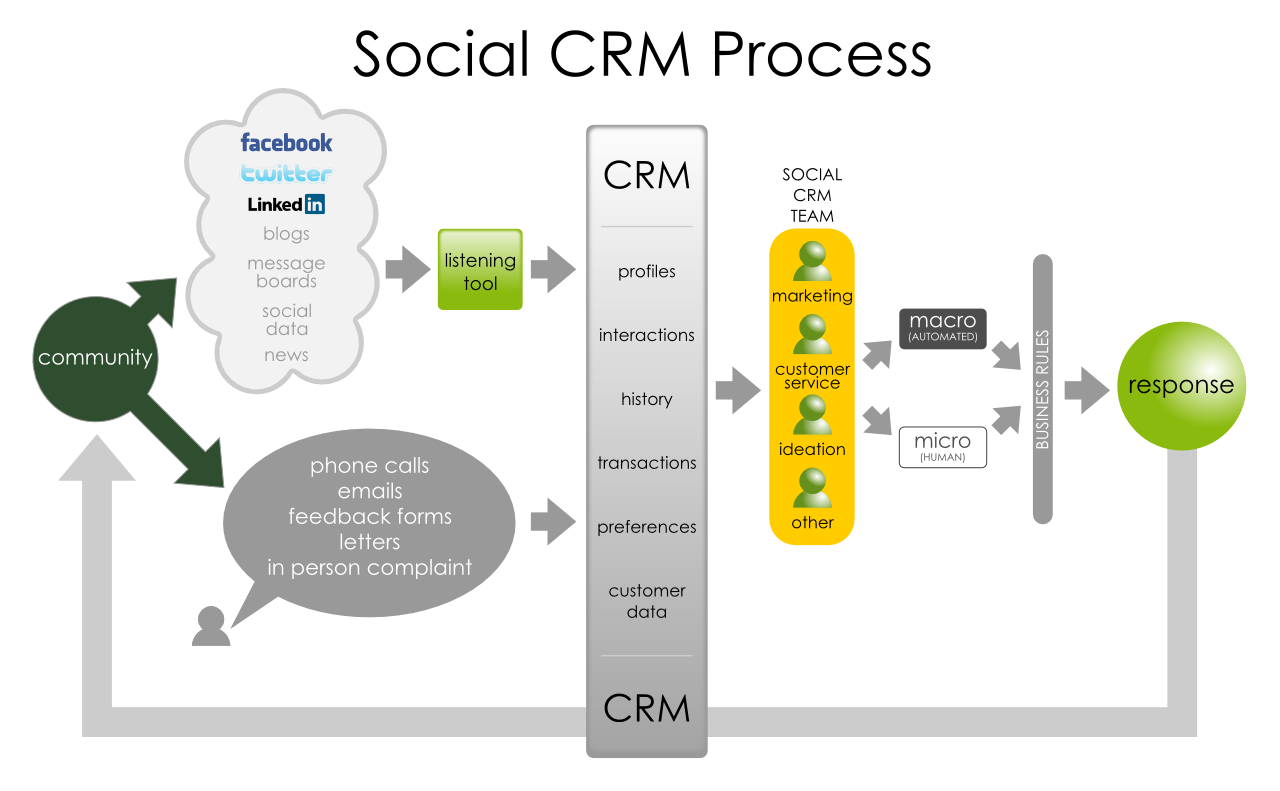
In the fast-paced world of social media, understanding how your brand resonates is crucial. CRM software offers powerful tools to track and analyze social media metrics, turning data into actionable insights.
By integrating social media metrics into CRM, businesses gain a comprehensive view of their online presence, allowing them to tailor their strategies and enhance customer engagement in a targeted manner.
Key Social Media Metrics to Track
Identifying the right metrics is essential for a successful social media strategy. With CRM software, you can track a variety of metrics to gauge your social media performance. These metrics provide an invaluable window into your audience’s interactions and preferences.
- Engagement Rate – Measures interactions like likes, comments, and shares, showing how well your content resonates.
- Reach and Impressions – Indicates how many people see your content and how often.
- Click-Through Rate (CTR) – Highlights the effectiveness of your call-to-action.
- Conversion Rate – Tracks how many social media interactions lead to desired actions on your website.
- Sentiment Analysis – Assesses the tone of audience interactions to gauge brand perception.
Utilizing CRM for Social Media Performance Analysis
CRM software provides robust analytical capabilities to interpret social media data effectively. By centralizing data, CRM systems facilitate a deeper understanding of audience behavior and content effectiveness.
| Social Media Metric | Significance in CRM |
|---|---|
| Engagement Rate | Indicates content relevance and audience interest. |
| Reach and Impressions | Measures brand visibility and potential audience size. |
| Click-Through Rate (CTR) | Evaluates the effectiveness of campaigns and calls-to-action. |
| Conversion Rate | Aligns social media efforts with business objectives. |
| Sentiment Analysis | Provides insights into brand perception and customer satisfaction. |
Enhancing Marketing Strategies through Analytics
Analytics play a pivotal role in refining marketing strategies by offering data-driven insights. CRM software empowers businesses to leverage these insights to create more targeted campaigns, optimize content, and ultimately, improve customer experiences.
“Data is not just numbers; it’s the key to unlocking customer satisfaction and loyalty.”
By continuously analyzing social media metrics, businesses can adapt their strategies to align with consumer trends, ensuring that they not only meet but exceed customer expectations.
Workflow Automation in CRM with Social Media Integration

Imagine a world where your CRM system seamlessly handles repetitive tasks, allowing you to focus on what truly matters—building meaningful relationships with your customers. Integrating social media with CRM can make this dream a reality through the power of workflow automation.
Workflow automation in CRM systems enables businesses to streamline processes, reduce human error, and enhance productivity. By automating interactions on social media platforms, companies can ensure timely and consistent communication with their audience, ultimately boosting customer satisfaction.
Utilizing Automation for Seamless Social Interactions
Workflow automation transforms the way businesses interact with their customers on social media. With pre-defined automated responses, you can ensure that every customer inquiry is promptly acknowledged, even outside of business hours. This not only improves response times but also enhances the customer experience significantly.
An effective way to set up automated responses is by using the CRM software’s built-in templates and triggers. For instance, when a customer sends a message on your social media page, the CRM can automatically reply with a personalized acknowledgment or direct the inquiry to the appropriate team member for further assistance.
Setting Up Automated Scheduling for Social Media Posts
Consistency is key in social media marketing, yet manually scheduling posts can be time-consuming. By leveraging CRM software, you can automate the scheduling of your social media posts, ensuring that your content reaches your audience at the optimal times.
- Identify the best times to post on each platform using analytics tools.
- Create a content calendar within your CRM system, outlining your posting schedule.
- Use the CRM’s automation features to schedule posts in advance, maintaining consistency without the manual workload.
- Monitor post-performance and adjust your strategy based on insightful metrics provided by the CRM.
Designing an Automated Workflow for Social Media
To implement a successful automated workflow, consider the following steps:
- Define Your Objectives: Determine the specific tasks you wish to automate, such as lead generation, customer service, or content distribution.
- Select the Right Tools: Choose a CRM that offers robust social media integration and automation capabilities.
- Map Out Your Workflow: Diagram the sequence of steps in your process, from customer interaction to resolution or follow-up.
- Create Automation Rules: Use your CRM to set rules and triggers that initiate specific actions in response to predetermined events.
- Test and Refine: Regularly review the performance of your automated workflows and refine them to ensure they meet your objectives effectively.
Impact of Automation on Productivity and Customer Satisfaction
Automating social media tasks within your CRM system offers significant benefits in both productivity and customer satisfaction. By reducing manual tasks, your team can allocate more resources to strategic initiatives and creative campaigns. Moreover, customers enjoy faster response times and a more personalized experience, leading to increased loyalty and engagement.
| Aspect | Manual Process | Automated Process |
|---|---|---|
| Response Time | Variable and often delayed | Immediate and consistent |
| Resource Allocation | High human resource involvement | Minimal human oversight required |
| Customer Experience | Inconsistent and dependent on availability | Reliable and timely |
Automation in CRM with social media integration is not just a trend; it’s a transformative shift towards more efficient and effective customer interactions.
Case Studies of Successful CRM and Social Media Integration
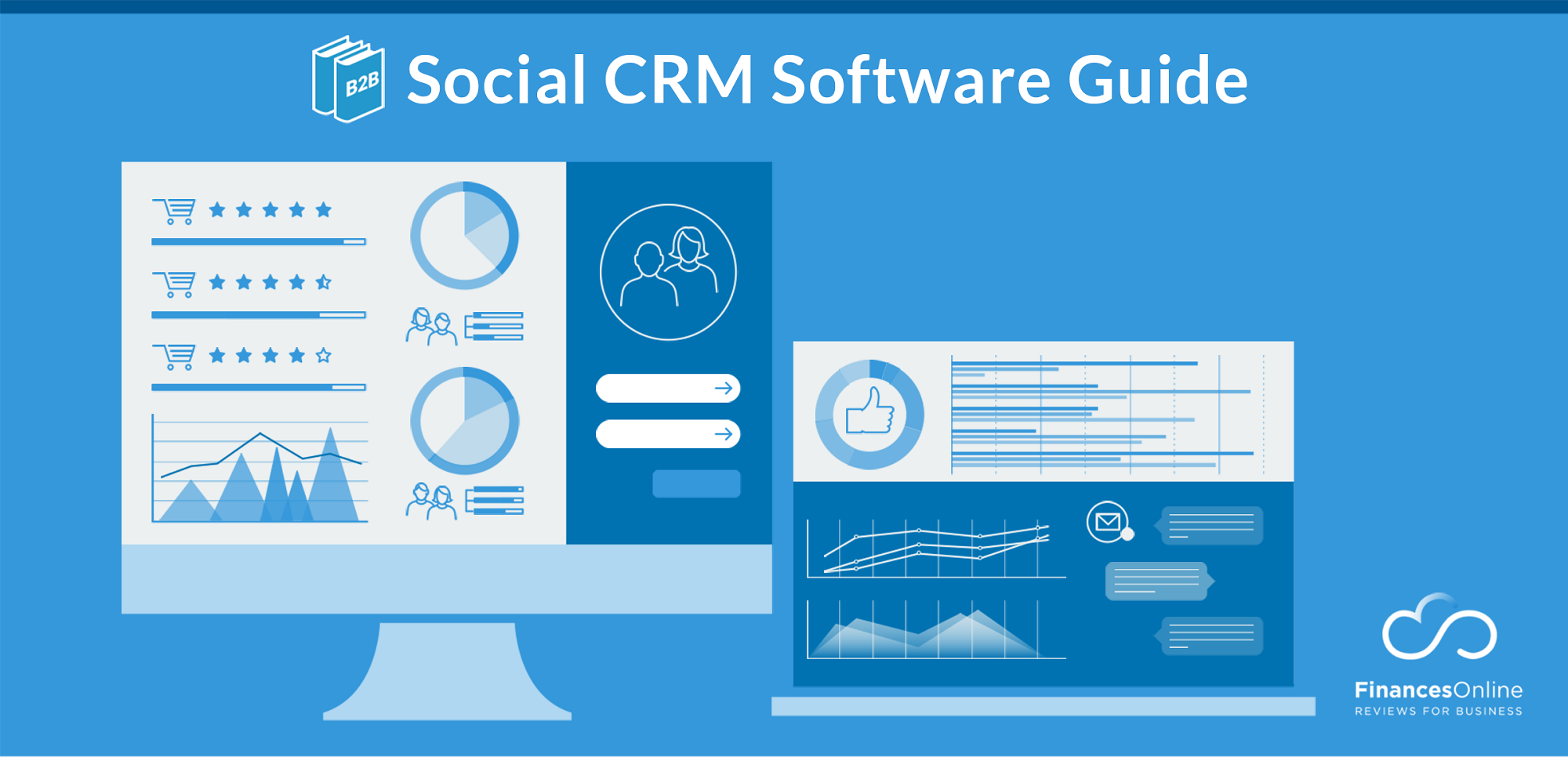
Imagine leveraging the power of social media to not only engage but revolutionize how customers interact with your brand. This isn’t a distant dream. Companies have already harnessed this capability with groundbreaking results. Let’s explore some inspiring case studies that spotlight the transformative impact of integrating CRM systems with social media platforms.
By weaving social media into the fabric of CRM, businesses have unlocked unparalleled insights and connections. Through these case studies, observe the remarkable outcomes companies have realized by synergizing these dynamic tools.
Companies Reaping the Rewards of CRM and Social Media Integration
Numerous companies have embarked on this innovative path, but a few stand out for their strategic brilliance and spectacular outcomes. Starbucks and Domino’s Pizza are two such trailblazers. These giants have adeptly integrated their CRM systems with social media, achieving a deeper understanding of their audience and fostering more meaningful customer interactions.
- Starbucks: By integrating CRM with social channels, Starbucks has been able to tailor their marketing efforts precisely. They closely monitor customer preferences and feedback in real-time, allowing them to craft personalized experiences that resonate deeply with their audience.
- Domino’s Pizza: Domino’s harnessed CRM-social media integration to refine their customer service processes. They track and respond to customer queries and complaints swiftly, turning potential dissatisfaction into loyalty.
Transformative Outcomes Through Integration
The fusion of CRM with social media has been a game-changer for many. We observe a clear before-and-after transformation in how companies operate and engage with their customers. Below is a table that captures the essence of these changes:
| Company | Before Integration | After Integration |
|---|---|---|
| Starbucks | Generic marketing campaigns with limited customer feedback. | Personalized marketing strategies with real-time adjustments based on social media insights. |
| Domino’s Pizza | Delayed response to customer service issues. | Immediate customer engagement and resolution through social listening. |
Lessons Learned from These Case Studies
These success stories highlight several critical lessons for businesses considering CRM and social media integration:
“Listen intently to your customers and let their voices shape your strategies.”
- Integration enables personalized customer engagement, fostering deeper connections.
- Real-time feedback through social media can enhance service quality and customer satisfaction.
- Companies must remain agile and responsive, using insights to evolve continuously.
The power of CRM and social media integration is undeniable, offering businesses a competitive edge in understanding and engaging with their customers more effectively.
Future Trends in CRM and Social Media Integration
As the digital landscape evolves, the integration of CRM systems with social media platforms is set to redefine how businesses interact with their customers. This transformational wave brings about cutting-edge technologies and strategies that businesses need to embrace to stay competitive.
Emerging trends and technological advancements are paving the way for more seamless and intelligent CRM solutions. These integrations empower businesses to not only engage but also understand their customers at unprecedented levels.
Artificial Intelligence and Machine Learning in CRM
The utilization of Artificial Intelligence (AI) and Machine Learning (ML) has begun transforming CRM systems into predictive powerhouses. These technologies enable systems to anticipate customer needs and personalize interactions with remarkable precision. Imagine a CRM that learns from each interaction and suggests the next best action—this is not a distant dream but an emerging reality.
Real-Time Data Analysis
In the age of instant information, the ability to analyze data in real-time is becoming an essential feature of CRM systems. Real-time analytics offers businesses the power to respond quickly to social media trends and customer demands, providing a level of agility that was previously unattainable. Companies that leverage this capability can make data-driven decisions on-the-fly, staying ahead of the curve.
Omni-Channel Integration
Future CRM solutions are expected to provide seamless omni-channel integration, allowing businesses to connect with customers across multiple platforms with a consistent voice. This holistic approach ensures that every touchpoint is synchronized, enhancing the overall customer experience and fostering loyalty.
Preparing for Future Changes in CRM
To embrace these future trends, businesses should start by investing in cloud-based CRM systems that offer flexibility and scalability. Moving to the cloud ensures that companies can quickly adopt new features and capabilities as they become available, without the need for extensive infrastructure changes.
- Foster a culture of continuous learning and adaptation among employees.
- Stay updated with technological advancements and industry best practices.
- Partner with CRM providers that prioritize innovation and customer feedback.
“The future belongs to those who prepare for it today.”
Final Summary
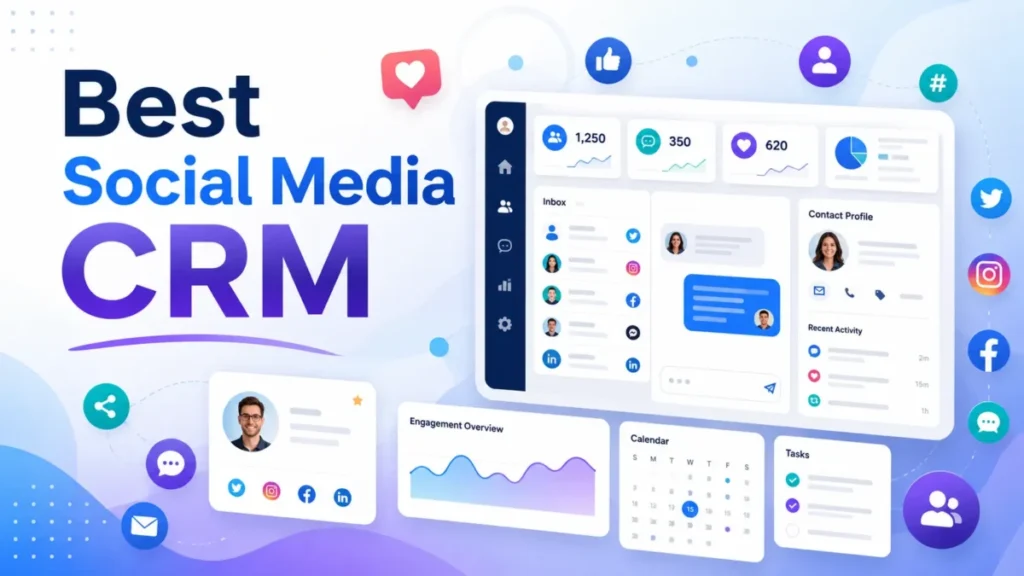
As we look to the future, the integration of CRM software with social media stands as a beacon of innovation, guiding businesses toward more meaningful connections with their customers. Embrace this powerful synergy to not only enhance your customer relationships but to redefine your market presence. The future is here, and it’s time to seize the opportunity.