In today’s fast-paced business world, staying ahead of the competition requires more than just intuition—it demands smart tools that can give your team the edge. Enter CRM software with lead tracking features, a game-changer in the field of sales and marketing. Imagine a system where every customer interaction is logged, every lead is meticulously tracked, and every opportunity is seized with precision. This is not just a tool; it’s a revolution in how businesses engage with customers and optimize their sales processes.
Let’s dive into the world of CRM software where lead tracking isn’t just a feature—it’s the heartbeat of your sales strategy. With creative insights and persuasive strategies, we’ll explore how this technology can transform your sales team into a powerhouse of productivity and efficiency. Ready to elevate your business? Read on to uncover the secrets of implementing and maximizing CRM software with lead tracking features.
Understanding CRM Software
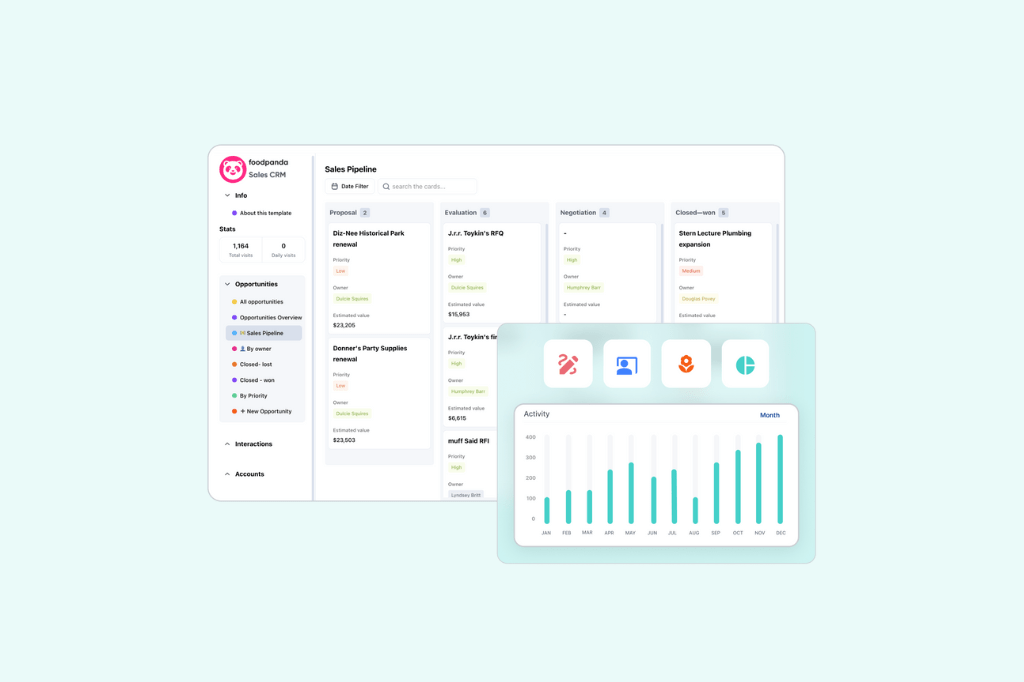
In the realm of business, CRM software acts as a compass guiding companies toward better customer relations and enhanced sales performance. It’s more than just a tool—it’s the backbone of modern customer engagement strategies.
At its core, CRM software serves as a central hub for managing interactions with potential and current customers. It streamlines processes, bolsters customer satisfaction, and ultimately drives sales growth. By consolidating customer information into a single database, CRM software provides a holistic view of customer interactions, helping businesses tailor their marketing efforts and improve service quality.
The Role of CRM in Sales and Marketing
CRM software is crucial in aligning sales and marketing efforts to foster a cohesive strategy. By capturing and analyzing customer data, CRM systems enable businesses to craft personalized marketing campaigns that resonate with target audiences. In sales, CRM tools provide insights into customer needs and preferences, allowing sales teams to nurture leads effectively and convert them into loyal customers.
Furthermore, CRM software facilitates seamless communication between sales and marketing teams, ensuring that everyone is on the same page and working towards common goals. This synergy enhances the overall customer experience, leading to increased customer retention and revenue growth.
Core Components of CRM Software
The heart of CRM software lies in its core components, which include:
- Contact Management: Centralized storage of customer information, allowing easy access and updates.
- Sales Automation: Streamlines the sales process by automating routine tasks, enabling sales teams to focus on closing deals.
- Marketing Automation: Facilitates the creation, management, and analysis of marketing campaigns.
- Customer Support: Enhances customer service through effective ticketing and case management systems.
- Analytics and Reporting: Provides insights into customer behavior and business performance, enabling data-driven decisions.
In conclusion, CRM software is not just a technological tool—it’s a strategic ally that empowers businesses to forge stronger relationships with their customers, streamline operations, and achieve sustainable growth.
Features of CRM Software with Lead Tracking
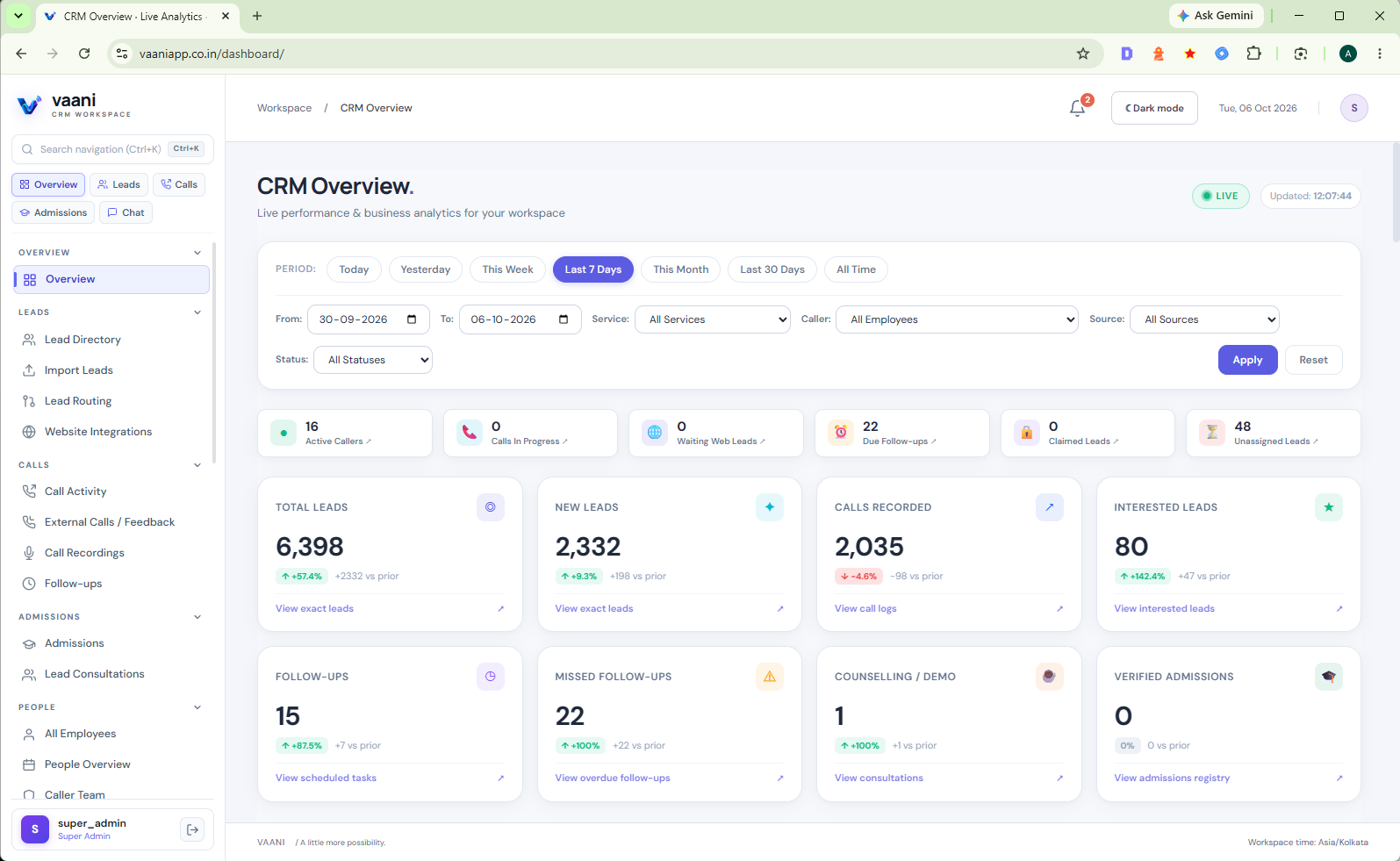
In the dynamic world of business, staying ahead of the competition requires more than just intuition—it demands precision and insight. CRM software with lead tracking features provides the edge businesses need, transforming raw data into actionable intelligence.
By leveraging sophisticated lead tracking functionalities, CRM software enhances the sales process, improving efficiency and increasing conversion rates by ensuring that no potential customer slips through the cracks.
Transforming Sales Processes with Lead Tracking
Lead tracking in CRM software is a game-changer for businesses aiming to streamline their sales processes. With comprehensive tracking, sales teams can focus on what truly matters: building relationships and closing deals. This feature allows for real-time insights into where each lead stands in the sales funnel, what actions they’ve taken, and what steps are needed next.
Key Lead Tracking Functionalities to Look For
When evaluating CRM software, it’s crucial to identify the lead tracking functionalities that will provide the best return on investment. Some of the essential features to look for include:
- Automated Lead Scoring: Prioritize leads based on their likelihood to convert, ensuring your team focuses on the most promising opportunities.
- Activity Tracking: Monitor every interaction with a lead, from emails and calls to meetings and website visits.
- Lead Segmentation: Organize leads into categories for targeted marketing efforts and personalized communication.
- Integration Capabilities: Seamlessly connect with other tools and platforms to ensure data consistency across systems.
- Real-time Analytics: Access to dashboards and reports that provide insights into lead behaviors and sales performance.
These functionalities not only streamline the sales process but also enhance the ability to
turn leads into loyal customers
, driving growth and profitability.
Benefits of Lead Tracking in CRM
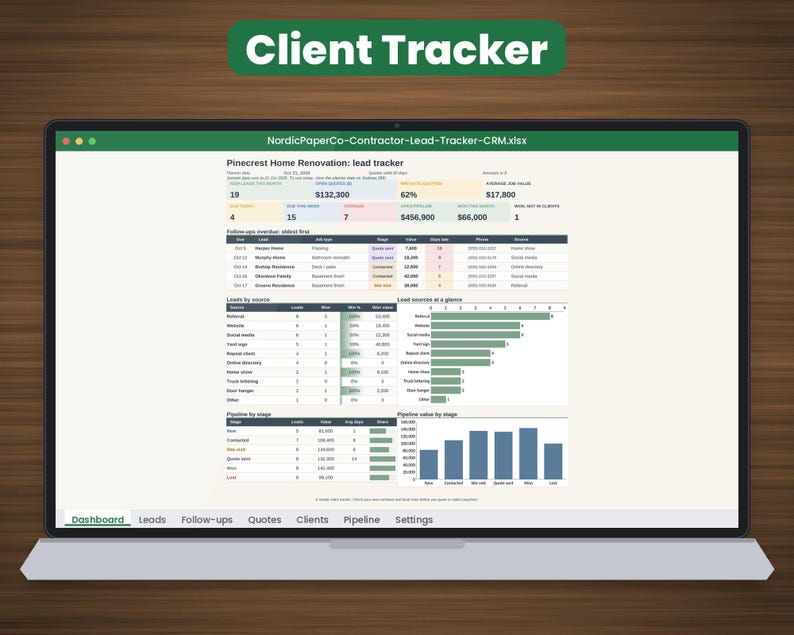
Unlock the full potential of your sales strategy with lead tracking in CRM software. By capturing and analyzing leads effectively, businesses can supercharge their sales processes.
Lead tracking ensures that no potential customer slips through the cracks, leading to higher conversion rates and improved customer relationships. It’s the fuel that powers efficient sales engines, turning prospects into loyal customers.
Enhancing Sales Efficiency with Lead Tracking
Lead tracking in CRM software acts as a compass for your sales team, providing clear direction and helping them prioritize high-value prospects. By streamlining the process, sales representatives can focus on the most promising leads, reducing wasted efforts and optimizing time management. This organized approach leads to a significant boost in sales efficiency, allowing teams to close deals faster and with greater precision.
Imagine a world where your sales team knows exactly which leads to pursue and when. That’s the power of a well-oiled lead tracking system, making the sales journey smoother and more strategic.
Advantages for Customer Engagement
Using CRM software with lead tracking capabilities elevates customer engagement to a new level. By maintaining a detailed record of interactions and preferences, businesses can craft personalized experiences that resonate with customers.
- Increased personalization
- Timely follow-ups
- Improved customer retention
The result? Customers feel valued and understood, fostering stronger relationships and enhancing brand loyalty. It’s not just about tracking leads; it’s about nurturing them into long-term partnerships.
Impact on Sales Team Performance
The introduction of lead tracking features can transform the dynamics within a sales team. Equipped with real-time data and insights, sales professionals are empowered to make informed decisions, leading to a more motivated and productive team.
According to research,
“Sales teams using lead tracking in CRM see a performance boost of up to 30%.”
This remarkable improvement is driven by the ability to monitor progress, identify bottlenecks, and make adjustments swiftly. With a clear overview of the sales pipeline, teams can work cohesively towards common goals, driving success and exceeding targets.
Implementing CRM Software for Lead Tracking

Unlock the full potential of your sales strategy by implementing CRM software with robust lead tracking features. This transformative process ensures you capture, nurture, and convert leads more effectively than ever before.
Implementing CRM software for lead tracking involves several key steps, from selecting the right software to configuring it to fit your business processes. By meticulously following these steps, you can leverage the power of lead tracking to enhance customer relationships and drive growth.
Steps to Implement CRM Software with Lead Tracking
Transforming your lead management capabilities starts with a structured approach. Here are the essential steps:
- Define Your Objectives: Clearly articulate what you aim to achieve with CRM lead tracking.
- Select the Right CRM Software: Choose a platform that aligns with your business needs and integrates seamlessly with other tools.
- Customize and Configure: Tailor the CRM to mirror your sales process and ensure it captures all necessary lead information.
- Train Your Team: Conduct comprehensive training sessions, ensuring employees understand how to utilize the CRM effectively.
- Launch and Monitor: Activate the system and closely monitor performance, making adjustments as needed.
Best Practices for Setting Up Lead Tracking in CRM
Maximize your CRM’s potential by implementing these best practices:
- Standardize Data Entry: Ensure consistency in how leads are entered into the system to avoid confusion and data loss.
- Utilize Scoring Mechanisms: Implement lead scoring to prioritize leads based on their readiness to purchase.
- Automate Workflows: Use automation to streamline follow-ups and reduce manual work, enhancing efficiency.
- Regularly Update Lead Details: Keep lead profiles current to reflect the latest interactions and insights.
Designing a Process for Integrating Lead Tracking
Integrating lead tracking within existing CRM systems requires a strategic approach that minimizes disruption while maximizing benefit. Consider the following:
“Integration is not just about connecting systems; it’s about creating a seamless flow of information.”
| Task | Action |
|---|---|
| Assessment: | Evaluate your current CRM setup to identify areas for lead tracking integration. |
| Integration Planning: | Develop a detailed plan that artikels how lead tracking functionalities will be incorporated. |
| System Adaptation: | Adjust your CRM settings and processes to accommodate lead tracking features smoothly. |
| Testing: | Run tests to ensure the integration performs as expected without errors. |
Comparing Popular CRM Software with Lead Tracking

In the digital marketplace, where every lead is a potential customer, selecting the right CRM software is crucial for business success. With numerous CRM solutions available, choosing the one that best fits your lead tracking needs can be a daunting task.
Let’s delve into an analysis of some of the most popular CRM software options, focusing on their lead tracking capabilities. We’ll explore how they stack up against each other in terms of features, pricing, and user satisfaction.
Feature Comparison of Leading CRM Software
Understanding the specific features offered by CRM software can help narrow your options. Below is a table that compares top CRM solutions based on their lead tracking functionalities:
| CRM Software | Lead Tracking Features | Pricing | User Reviews |
|---|---|---|---|
| Salesforce | Advanced lead scoring, automated lead nurturing, AI predictions | Starting at $25/user/month | 4.5/5 stars |
| HubSpot | Lead capture forms, email tracking, comprehensive lead database | Free tier available, paid plans from $45/month | 4.4/5 stars |
| Zoho CRM | Real-time lead tracking, customized lead fields, analytics | Starting at $12/user/month | 4.3/5 stars |
“The right CRM can transform your lead management from chaos to clarity.”
Tailoring CRM Solutions to Business Needs
Different businesses have different objectives and requirements, thus necessitating tailored CRM solutions. Let’s see how the CRM software fits various business models:
- Salesforce: Ideal for large enterprises seeking robust lead tracking with AI insights.
- HubSpot: Perfect for startups and small businesses due to its free tier and easy integration.
- Zoho CRM: Best for mid-sized businesses that need flexible customization options.
Choosing a CRM isn’t just about picking a tool—it’s about finding a strategic partner for growth.
Future Trends in CRM and Lead Tracking Technology

As technology continues to evolve, the landscape of CRM and lead tracking is undergoing significant transformations. Businesses are increasingly looking for innovative solutions to streamline processes and enhance customer engagement.
Today’s CRM tools are not just about managing contacts; they are becoming smarter and more intuitive. Let’s dive into the exciting developments and future trends shaping CRM software with lead tracking capabilities.
Integration of AI and Machine Learning in Lead Tracking
The integration of Artificial Intelligence (AI) and Machine Learning (ML) in CRM systems is setting new standards for efficiency. These technologies enable predictive analytics, helping businesses anticipate customer needs and identify potential leads with greater accuracy. AI algorithms analyze vast amounts of data to uncover patterns, allowing for more personalized customer interactions and efficient lead prioritization.
“AI-driven insights are revolutionizing how businesses understand and engage with their leads.”
Opportunities and Challenges in CRM Technology Development
While the advancements in CRM technology present numerous opportunities, they also bring certain challenges. On the one hand, businesses can harness these innovations to gain a competitive edge through enhanced customer insights and automated workflows. On the other hand, ensuring data privacy and security becomes a paramount concern as more data is analyzed and stored.
Organizations must navigate these complexities to fully leverage the potential of modern CRM systems. The key lies in adopting a forward-thinking approach that embraces technological advancements while safeguarding customer trust.
Final Thoughts

In conclusion, adopting CRM software with lead tracking features is not just about keeping up with the times; it’s about setting the pace for the future. As AI and machine learning continue to evolve, the possibilities for enhancing customer engagement and boosting sales efficiency are limitless. Embrace the change, harness the power of technology, and watch your business soar to new heights. The future of sales is here, and it’s more exciting than ever.