In the dynamic world of startups, where every decision could be the key to success, having the right tools at your disposal isn’t just an advantage—it’s a necessity. Enter CRM software: the powerhouse that can revolutionize how you handle relationships and drive growth. But with so many options out there, how do you find the best CRM software for startups that fits your unique needs?
Imagine having a tool that not only tracks your customer interactions but also empowers your team to make data-driven decisions, streamline processes, and scale effortlessly. In this guide, we’ll explore the essential features, pricing models, ease of use, and more, to help you choose the best solution tailored for your startup’s journey to greatness.
Key Features of CRM Software for Startups
In the fast-paced world of startups, having the right tools can mean the difference between thriving and just surviving. CRM software plays a crucial role in streamlining customer interactions, enhancing efficiency, and boosting sales for new businesses.
Understanding the key features that are most beneficial for startups can help you choose the right CRM solution that fits your unique needs and challenges. From automation to analytics, here’s what to look for in CRM software tailored for emerging companies.
Automation for Efficiency
Startups often operate with lean teams, so automation is a lifesaver. Look for CRM software that automates repetitive tasks such as data entry, email marketing, and customer follow-ups. Automation not only reduces workload but also ensures consistency and accuracy in communications.
Scalable Contact Management
Efficiently managing customer information is vital for startups aiming for growth. A robust CRM should provide scalable contact management capabilities, allowing you to easily organize and access customer data. This scalability is crucial as your business expands and your customer list grows.
Integrated Analytics
Analytics are crucial for startups to track progress and make data-driven decisions. CRM software offering integrated analytics can provide insights into customer behavior, sales trends, and marketing effectiveness, empowering startups to refine their strategies and optimize performance.
Seamless Collaboration Tools
Collaboration is key in the startup environment. CRMs that offer seamless collaboration tools, such as shared calendars and team messaging, can facilitate better teamwork and communication, leading to more efficient project execution and faster decision-making.
Below is a comparison table highlighting key features across popular CRM software tailored for startup needs:
| CRM Software | Automation | Contact Management | Analytics | Collaboration Tools |
|---|---|---|---|---|
| CRM A | Yes | Yes | Basic | Basic |
| CRM B | Advanced | Advanced | Advanced | Advanced |
| CRM C | Basic | Advanced | Yes | Basic |
“The right CRM can propel a startup from fledgling to formidable.”
Pricing Models and Affordability

Navigating the financial landscape of CRM software may seem daunting, but finding a cost-effective solution that aligns with your startup’s budget is possible. Let’s delve into the various pricing models and how they can play a pivotal role in your financial planning.
From subscription-based services to one-time purchases, CRM pricing models are designed to cater to diverse business needs. Understanding these options is crucial to making an informed decision that ensures sustainability and growth.
Understanding Various Pricing Models
The world of CRM software offers several pricing models, each with its unique advantages. Whether you’re a tight-budget startup or a booming small business, there’s a plan for you. Here’s a breakdown:
- Subscription-based: A monthly or yearly fee per user, perfect for startups needing flexibility.
- One-time License: A single upfront payment, ideal for those who prefer long-term savings.
- Freemium: Basic features are free, with the option to upgrade, allowing you to scale as you grow.
- Pay-as-you-go: Pay only for what you use, an excellent choice for businesses with fluctuating needs.
Comparative Pricing for Top CRM Solutions
To illuminate the landscape, here’s a table comparing the pricing of top CRM solutions that align perfectly with startup needs. These options are designed to fit varying budgets while providing robust features.
| CRM Solution | Pricing Model | Cost |
|---|---|---|
| HubSpot | Freemium | Free – $50/month per user |
| Salesforce Essentials | Subscription-based | $25/month per user |
| Zoho CRM | Subscription-based | $12/month per user |
| Pipedrive | Pay-as-you-go | $15/month per user |
Long-term Affordability and ROI
Investing in CRM software is not merely a cost; it’s a strategic move toward long-term profitability. The right CRM solution can significantly enhance your ROI by streamlining operations, improving customer relationships, and boosting sales efficiency.
Choosing the correct pricing model can substantially impact your startup’s bottom line. A freemium model allows you to start small and scale as you grow, while a subscription-based approach ensures predictable expenses. Remember, a well-chosen CRM solution is an investment in your startup’s future success.
Ease of Use and User Interface

Unraveling the success of CRM software often begins with how effortlessly a user can navigate its oceans of features. For startups aiming to scale with agility, an intuitive user interface is not just a luxury—it’s a necessity.
Today’s CRM platforms are focused on more than just functionality; they are designed to offer a seamless experience that minimizes the learning curve and maximizes productivity.
CRM Software with Intuitive User Interfaces
Several CRM systems have positioned themselves as leaders in accessibility and user-friendly designs. HubSpot CRM, for instance, is celebrated for its clean and straightforward layout, allowing users to easily manage contacts, track deals, and monitor performance with minimal training. Similarly, Zoho CRM shines with its highly customizable dashboard, which empowers users to tailor their workspace to their specific needs.
Another noteworthy mention is Pipedrive, which excels in providing a visual sales pipeline that transforms complex sales processes into intuitive drag-and-drop activities.
Methods for Evaluating Ease of Use in CRM Software
Evaluating a CRM’s ease of use can be approached through various methodologies. User testing sessions reveal how real-world users interact with the software, uncovering potential bottlenecks in usability. Conducting surveys and gathering feedback from diverse users can offer insights into common challenges faced. Furthermore, comparing CRM software based on average time to task completion and error rates during routine operations can provide quantitative measures of usability.
| Method | Benefits | Challenges |
|---|---|---|
| User Testing | Direct feedback from real users | Resource-intensive |
| Surveys and Feedback | Gathers broad opinions | May lack depth in responses |
| Task Completion and Error Rate Analysis | Provides quantitative data | Requires detailed tracking and analysis |
UI Design Elements that Facilitate Ease of Use
A well-designed user interface is characterized by elements that support intuitive navigation and efficiency. Key design features include:
- Consistent Layout: Ensures users can predict where tools and features are located, reducing cognitive load.
- Drag-and-drop Functionality: Simplifies data management by allowing users to rearrange elements quickly.
- Responsive Design: Adapts seamlessly across devices, ensuring ease of use whether on desktop or mobile.
- Clear Call-to-Action Buttons: Guides users to the next steps, minimizing confusion.
“A good UI is an invisible hand guiding the user through the software’s journey.”
By embedding these design principles, CRM platforms can not only enhance user satisfaction but also empower startups to focus on what truly matters—building invaluable customer relationships.
Integration with Other Tools
In the dynamic world of startups, having a CRM that integrates seamlessly with other business tools is not just a convenience—it’s a game-changer. The ability to synchronize your CRM with your existing workflows can propel your startup towards success.
Integrations facilitate a unified ecosystem where data flows effortlessly, eliminating silos and enhancing collaborative efficiency. This interconnectedness enables startups to leverage their CRM to its fullest potential, harmonizing operations across various platforms.
Seamless Connectivity Elevates Efficiency
For startups, connecting their CRM solution with other essential tools is vital for maintaining a cohesive workflow. Integrations with platforms such as email marketing services, social media management tools, and e-commerce systems ensure that every aspect of your business is in sync and automated to the highest degree. Imagine the power of a CRM that automatically populates customer data from a recent social media campaign into your sales pipeline, or one that aligns with your email marketing tool to send targeted campaigns. This level of integration strengthens your business’s operational backbone.
| CRM Software | Email Integration | Social Media | E-commerce |
|---|---|---|---|
| HubSpot | Yes | Yes | Limited |
| Zoho CRM | Yes | Yes | Yes |
| Salesforce | Yes | Yes | Advanced |
| Pipedrive | Yes | Limited | No |
As startups confront the pressure of scaling rapidly, seamless integration with other tools is not just beneficial—it becomes crucial. By ensuring all your data points are connected, your team can focus on what truly matters: growing your business. Integration acts as a force multiplier, turning fragmented processes into a streamlined, harmonious system.
Integrating your CRM with the right tools can transform your startup from a collection of applications into a powerful, coordinated enterprise.
Scalability and Customization

As startups embark on their growth journey, the adaptability of their CRM software becomes a cornerstone of success. Scalability and customization are not just features; they are the lifelines that allow CRM systems to evolve alongside the ambitious vision of burgeoning enterprises.
Delving into the realms of scalability and customization, we uncover the underlying architecture that supports expanding operations and tailor-made solutions. With a scalable CRM, startups can seamlessly transition from modest beginnings to thriving enterprises without losing a step. Customization, on the other hand, ensures that the CRM resonates with the unique DNA of the startup, aligning with its distinctive processes and workflows.
Elements of a Scalable CRM for Startups
Scalability in a CRM system means more than just accommodating a growing number of users. It involves a robust infrastructure that can handle increased data volume, enhanced functionality, and evolving customer demands. Here’s what sets scalable CRM software apart:
- Cloud-based Infrastructure: Offers flexibility and ensures the CRM grows with the business.
- Modular Architecture: Allows startups to add features as needed, avoiding unnecessary complexity.
- Performance Optimization: Ensures that the system maintains speed and reliability during peak usage.
- Load Balancing Capabilities: Distributes workloads effectively to prevent bottlenecks.
Essential Customization Options for Startups
Startups are as diverse as the solutions they bring to market, and their CRM software should reflect this diversity through customization. Essential customization features make a CRM truly align with a startup’s unique needs:
- Custom Workflows: Tailor the sales process to fit specific business operations.
- Personalized Dashboards: Provide key insights at a glance, tailored to each user’s role.
- Custom Fields and Data Models: Capture and organize information unique to the startup’s niche.
- Automated Rules: Set triggers and automate actions to streamline tasks.
Strategies for Implementing Scalable Solutions
Implementing scalable CRM solutions requires strategic foresight and a robust implementation plan. Startups can adopt the following strategies to ensure their CRM scales effectively:
“Think big, start small, and scale fast”
- Start with Core Features: Focus initially on essential functionalities and expand with growth.
- Regularly Review and Update: Assess CRM needs and capabilities periodically to ensure alignment with business growth.
- Invest in Scalable Technology: Choose software that supports third-party integrations and API capabilities.
- Training and Support: Empower teams with training sessions to maximize the CRM’s scalable features.
| Scalability Factor | Customization Option |
|---|---|
| Cloud-based Infrastructure | Custom Workflows |
| Modular Architecture | Personalized Dashboards |
| Performance Optimization | Custom Fields and Data Models |
Customer Support and Resources

In the fast-paced world of startups, having reliable customer support and abundant resources can be the difference between success and stagnation. CRM providers must offer a range of support options that go beyond simple troubleshooting, helping startups maximize their CRM investment.
Understanding the types of customer support and the resources available can equip startups with the tools they need to thrive. From real-time assistance to self-paced tutorials, let’s explore the landscape of CRM support solutions.
Comprehensive Support Services
CRM providers offer a spectrum of customer support services designed to cater to diverse needs. These typically include:
- Email Support: Ideal for issues that don’t require immediate attention, allowing detailed explanations and documentation.
- Phone Support: Provides direct, verbal communication for rapid problem resolution. Great for urgent issues.
- Live Chat: A popular option for real-time assistance without the need for a phone call, offering instant answers to pressing questions.
- Dedicated Account Managers: Personalized support tailored specifically to your business needs, ensuring a deeper understanding of your operations.
Comparing Support Options
Below is a comparison table highlighting the availability and effectiveness of various support options provided by leading CRM software vendors.
| CRM Provider | Email Support | Phone Support | Live Chat | Dedicated Account Manager |
|---|---|---|---|---|
| CRM A | 24/7 | Business Hours | 24/7 | Available |
| CRM B | Business Hours | 24/7 | Limited Time | Available upon request |
| CRM C | 24/7 | Business Hours | 24/7 | Not Available |
Leveraging Resources for Growth
Startups benefit immensely from access to a wealth of resources, such as tutorials, webinars, and community forums. These tools empower teams to:
- Gain Expertise: Self-paced tutorials help team members become proficient in CRM functionalities, enhancing overall productivity.
- Foster Collaboration: Forums provide a platform to connect with other users, exchange ideas, and solve common challenges together.
- Stay Updated: Webinars and blogs ensure that users are always informed about the latest features and best practices.
“Empower your team with knowledge, and watch your startup soar to new heights.”
Summary
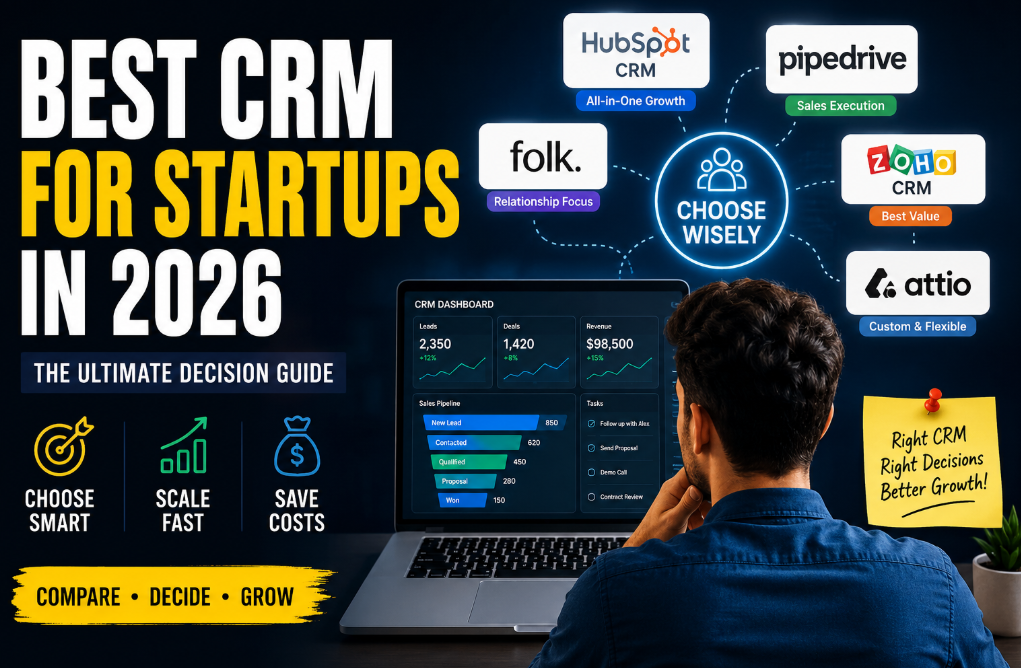
Choosing the right CRM software can be the catalyst that propels your startup to new heights. With the perfect blend of functionality, affordability, and scalability, the best CRM solution doesn’t just manage your customer relationships—it transforms them. So, take the leap and invest in a CRM that will grow with you, help you overcome challenges, and ultimately lead you to success.