Imagine a world where your business not only meets the needs of your customers but anticipates them with precision. In the modern age, where customer experience reigns supreme, integrating CRM software with customer feedback tools is the key to unlocking this potential. This powerful synergy transforms scattered feedback into actionable insights, driving your business towards unparalleled success.
In an era defined by rapid technological advancements and ever-evolving customer expectations, businesses must harness the full potential of CRM systems enriched with feedback tools. This integration not only streamlines customer interactions but also empowers companies to create personalized experiences that foster loyalty and growth. Let’s embark on a journey to explore how this dynamic combination can revolutionize your customer relationship management.
Overview of CRM Software with Customer Feedback Tools
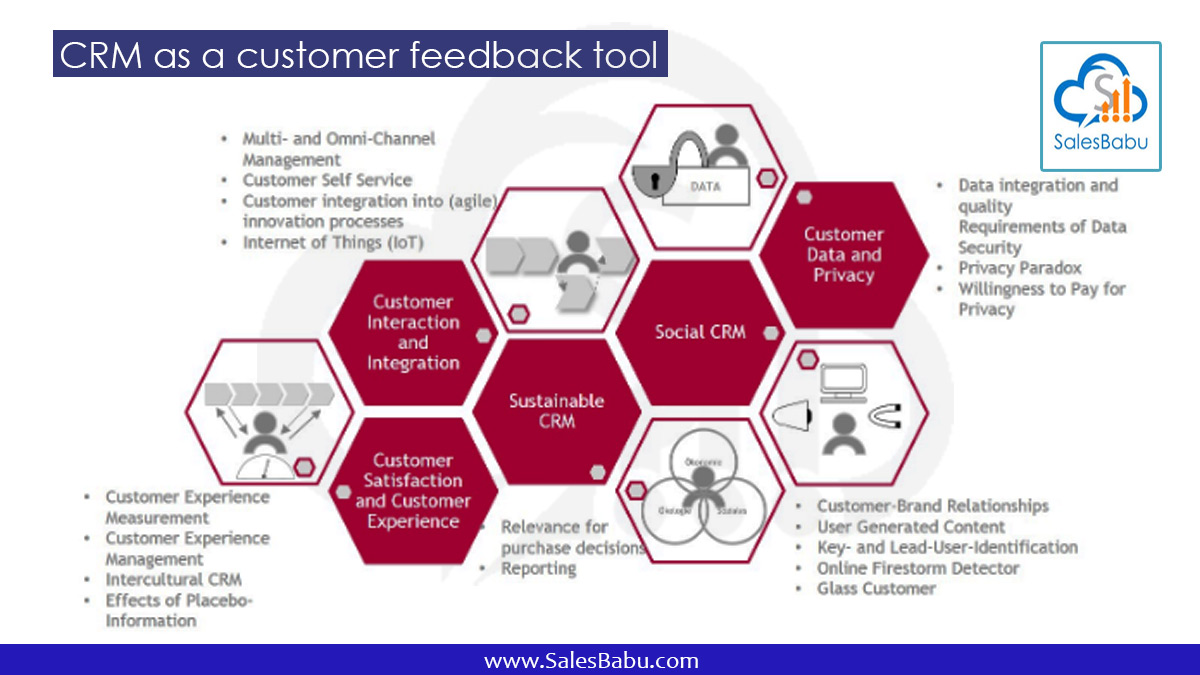
In today’s fast-paced business environment, understanding customer needs and preferences is more crucial than ever. Integrating customer feedback tools into CRM software not only enhances customer relationships but also drives business growth.
CRM software with customer feedback tools offers a comprehensive solution that enables businesses to capture, analyze, and act on customer opinions efficiently. By consolidating feedback directly into the CRM system, companies can gain deeper insights into customer satisfaction and expectations, leading to more informed decision-making and personalized customer interactions.
Importance of Integrating Customer Feedback Tools
Integrating customer feedback tools into CRM systems is essential for businesses aiming to maintain a competitive edge. These tools provide a direct channel for customers to express their views, thereby allowing businesses to identify pain points and areas for improvement. Furthermore, feedback tools help in measuring customer satisfaction and loyalty, which are critical metrics for long-term success.
Benefits of Utilizing CRM Systems Enhanced with Feedback Tools
CRM systems enhanced with feedback tools offer numerous advantages:
- Improved Customer Insights: By analyzing feedback, companies can tailor their offerings to better meet customer needs.
- Increased Customer Satisfaction: Responding to feedback shows customers that their opinions are valued, enhancing their overall experience.
- Enhanced Product Development: Feedback can guide product innovation and customization, ensuring products align with market demands.
- Stronger Customer Relationships: Engaging with customers based on their feedback fosters trust and loyalty.
Industries Benefiting from CRM and Feedback Integration
Several industries significantly benefit from integrating CRM with customer feedback tools:
| Industry | Benefits |
|---|---|
| Retail | Enhances customer personalization and improves shopping experiences. |
| Healthcare | Improves patient satisfaction and helps tailor healthcare services. |
| Hospitality | Enables better service customization and boosts guest satisfaction. |
| Financial Services | Facilitates trust-building and offers better financial advisory services. |
“Customer feedback is the breakfast of champions.” – Ken Blanchard
Key Features of CRM Software with Customer Feedback Tools
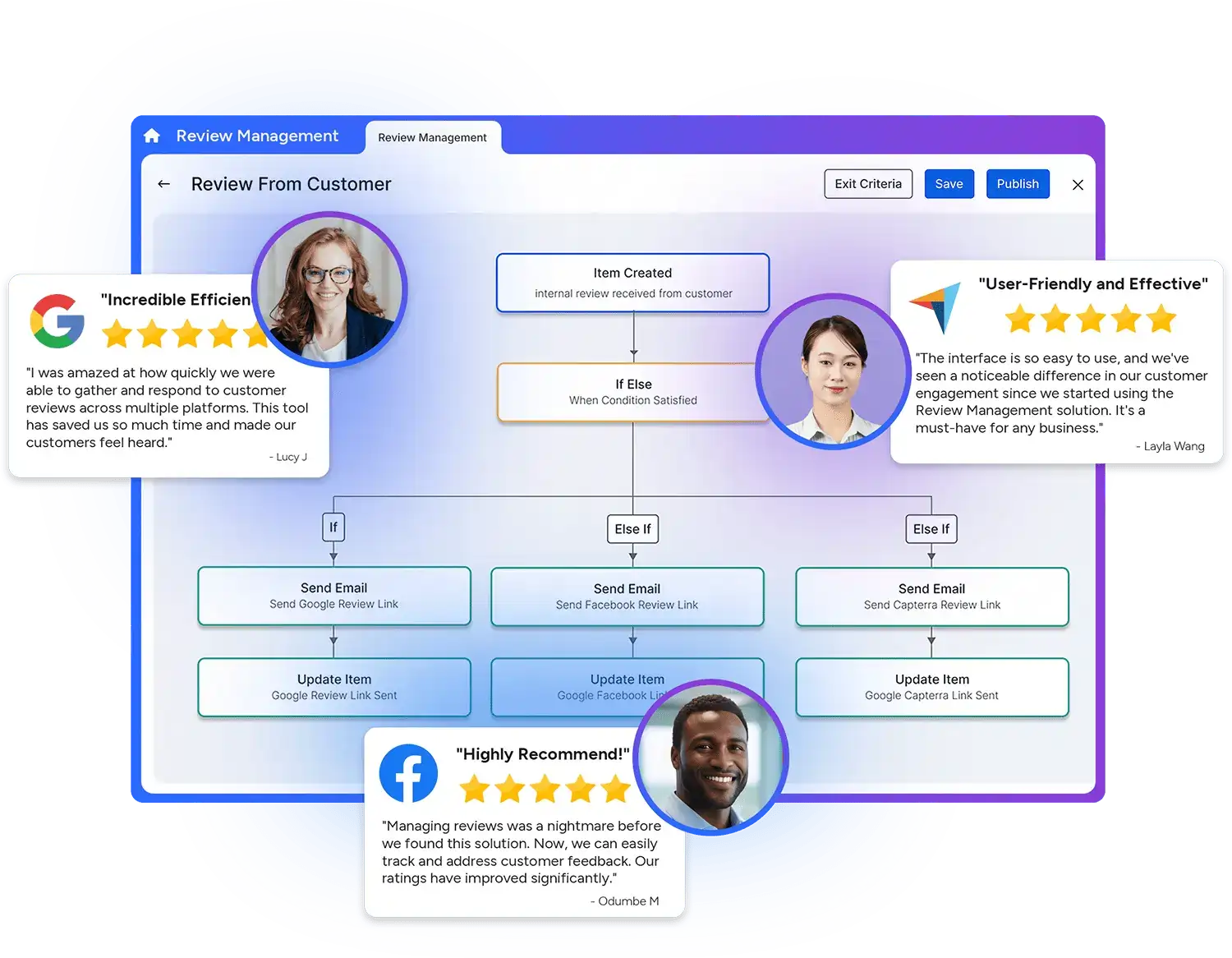
In the bustling world of customer relationship management, the ability to harness the power of customer feedback seamlessly within CRM software is nothing short of revolutionary. Let’s dive into the unique features that set these tools apart.
CRM software with customer feedback capabilities transforms raw data into actionable insights, empowering businesses to enhance customer satisfaction proactively. These tools aren’t just about collecting feedback; they are about turning that feedback into a strategic advantage.
Essential Features of CRM with Feedback Capabilities
When evaluating CRM software, it’s crucial to identify the features that provide the most value. Real-time feedback integration ensures that customer inputs are immediately visible to the team, allowing for swift action. Sentiment analysis tools help decode customer emotions and attitudes, while customizable surveys allow businesses to tailor questions to their specific needs.
Here’s a breakdown of various CRM software solutions based on their feedback tools:
| Software | Feedback Integration | Sentiment Analysis | Custom Surveys | Automated Reports |
|---|---|---|---|---|
| CRM A | Real-time | Advanced AI | Yes, with templates | Weekly summaries |
| CRM B | Batch processing | Basic sentiment tracking | Limited customization | Monthly overviews |
| CRM C | Instant notifications | Emotion detection | Highly customizable | Daily insights |
As we can see, each CRM software brings its own blend of features to the table, catering to different business needs and preferences.
“The right feedback tool can make all the difference between guessing and knowing what your customers truly want.”
Advantages of Using Customer Feedback in CRM Systems
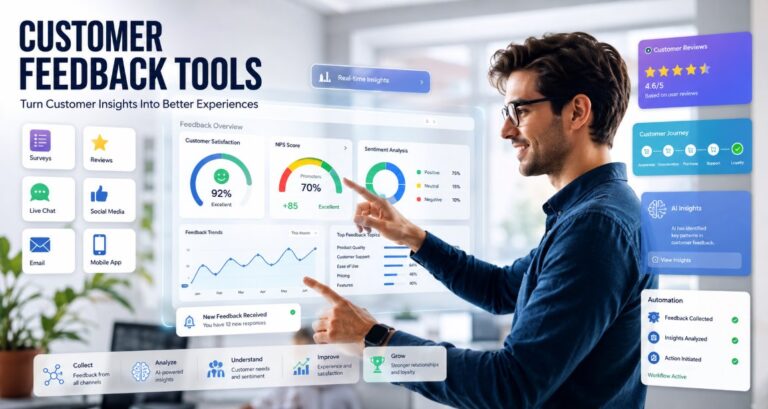
In the ever-evolving landscape of customer relationship management, leveraging customer feedback is a powerful catalyst for growth and innovation. By integrating feedback tools into CRM systems, businesses can bridge the gap between customer expectations and actual service delivery.
Customer feedback not only provides actionable insights but also enhances the overall customer experience, paving the way for improved satisfaction and loyalty.
Enhancing Customer Relationship Management Through Feedback
Integrating feedback mechanisms within your CRM systems allows you to gain a deeper understanding of customer needs and preferences. This understanding empowers businesses to tailor their strategies, creating more personalized and meaningful interactions with customers.
“Your most unhappy customers are your greatest source of learning.” – Bill Gates
Feedback helps identify pain points and areas for improvement, turning challenges into opportunities for growth and differentiation.
Impact on Customer Satisfaction and Retention
Feedback tools are instrumental in boosting customer satisfaction and retention rates. They provide a direct channel for customers to express their thoughts and experiences, making them feel valued and heard. This sense of involvement fosters loyalty and can turn satisfied customers into brand advocates.
| Without Feedback Tools | With Feedback Tools |
|---|---|
| Limited understanding of customer needs | In-depth insights into customer preferences |
| Reactive problem-solving | Proactive customer service enhancements |
Methods for Effectively Collecting and Analyzing Customer Feedback
To harness the full potential of customer feedback, it is crucial to employ effective collection and analysis methods. Surveys, social media listening, and customer interviews are just a few ways to gather valuable insights. However, the true power lies in the analysis.
- Utilize data analytics to identify trends and patterns.
- Segment feedback based on customer demographics for targeted improvements.
- Implement AI-driven sentiment analysis to swiftly interpret large volumes of feedback.
By systematically analyzing feedback, businesses can create a feedback loop that continually enhances customer satisfaction and fosters long-term relationships.
Implementation Strategies for CRM Software with Feedback Tools

Unlock the full potential of your CRM by seamlessly integrating feedback tools. This powerful combination enhances customer insights and drives meaningful engagement.
Implementation can be daunting, but with a structured approach, you can transform how your organization gathers and utilizes customer feedback. Let’s explore the steps and best practices to ensure a smooth transition.
Step-by-Step Guide to Implementing CRM with Feedback Tools
Embarking on the implementation journey requires a clear roadmap. Follow these steps to effectively integrate feedback tools into your CRM:
- Assess Your Needs: Identify specific customer feedback goals and align them with your CRM objectives.
- Select the Right Tools: Choose feedback tools that integrate effortlessly with your current CRM system.
- Plan the Integration: Develop a detailed plan that artikels timelines, resource allocations, and key milestones.
- Configure the System: Customize the feedback tools and CRM settings to match your business processes.
- Test the System: Conduct thorough testing to ensure all components are working harmoniously.
- Launch and Monitor: Roll out the system company-wide and closely monitor its performance.
Best Practices for Integrating Feedback Tools into Existing CRM Systems
Integrating feedback tools into your existing CRM can revolutionize your data collection strategy. Keep these best practices in mind to maximize impact:
- Ensure seamless data synchronization between feedback tools and CRM to maintain data integrity.
- Regularly update and optimize integration settings to adapt to evolving business needs.
- Leverage automation to streamline workflows and reduce manual data entry.
- Foster transparency by clearly communicating changes to all stakeholders.
Training Staff to Utilize Feedback Tools Effectively
Empowering your staff with the right skills is crucial for the successful adoption of new tools. Here’s how to ensure your team is well-equipped:
Interactive Training Sessions: Conduct hands-on workshops that allow employees to explore the features and functionalities of the feedback tools.
- Utilize real-world scenarios to demonstrate how feedback tools can address specific challenges.
- Encourage open discussions to address any concerns and gather feedback on training efficacy.
Continuous Support: Establish a support system where staff can easily access resources and assistance when needed. Provide regular updates and refresher courses to keep skills sharp and knowledge up-to-date.
“The success of a CRM integration lies not just in technology, but in the people who use it.”
Case Studies and Success Stories

In the ever-evolving world of CRM software, integrating customer feedback tools can be a game-changer. Countless companies have reaped substantial benefits by enhancing their CRM systems with these invaluable tools.
Here, we delve into some compelling stories of businesses that transformed their customer relationship management practices through feedback integration, highlighting the tangible ROI and measurable success.
Transformative Success Stories of Feedback-Enhanced CRM
Consider the journey of Tech Innovators Inc., a mid-sized technology firm that leveraged customer feedback to realign its CRM strategies. By systematically integrating feedback tools, they identified key areas of improvement in customer service, resulting in a 25% increase in customer satisfaction scores within a year.
Another shining example is Retail Giants Ltd., which saw a significant 20% boost in sales after implementing a feedback-enhanced CRM system. They meticulously analyzed feedback data to tailor marketing campaigns, thereby increasing customer engagement and loyalty.
“The integration of customer feedback into our CRM system was a turning point in our business strategy,” remarks the CEO of Retail Giants Ltd.
ROI and Metrics: Measuring the Impact
Analyzing various case studies reveals the financial and strategic benefits of CRM systems with feedback tools. Below is a table summarizing the key metrics used to gauge success in these initiatives.
| Company | Metric | Pre-Implementation | Post-Implementation | Improvement |
|---|---|---|---|---|
| Tech Innovators Inc. | Customer Satisfaction Score | 60% | 75% | +15% |
| Retail Giants Ltd. | Sales Revenue | $500,000 | $600,000 | +20% |
These success stories and data points underscore the undeniable value of integrating customer feedback into CRM systems, transforming potential challenges into lucrative opportunities.
Future Trends in CRM Software and Customer Feedback Tools
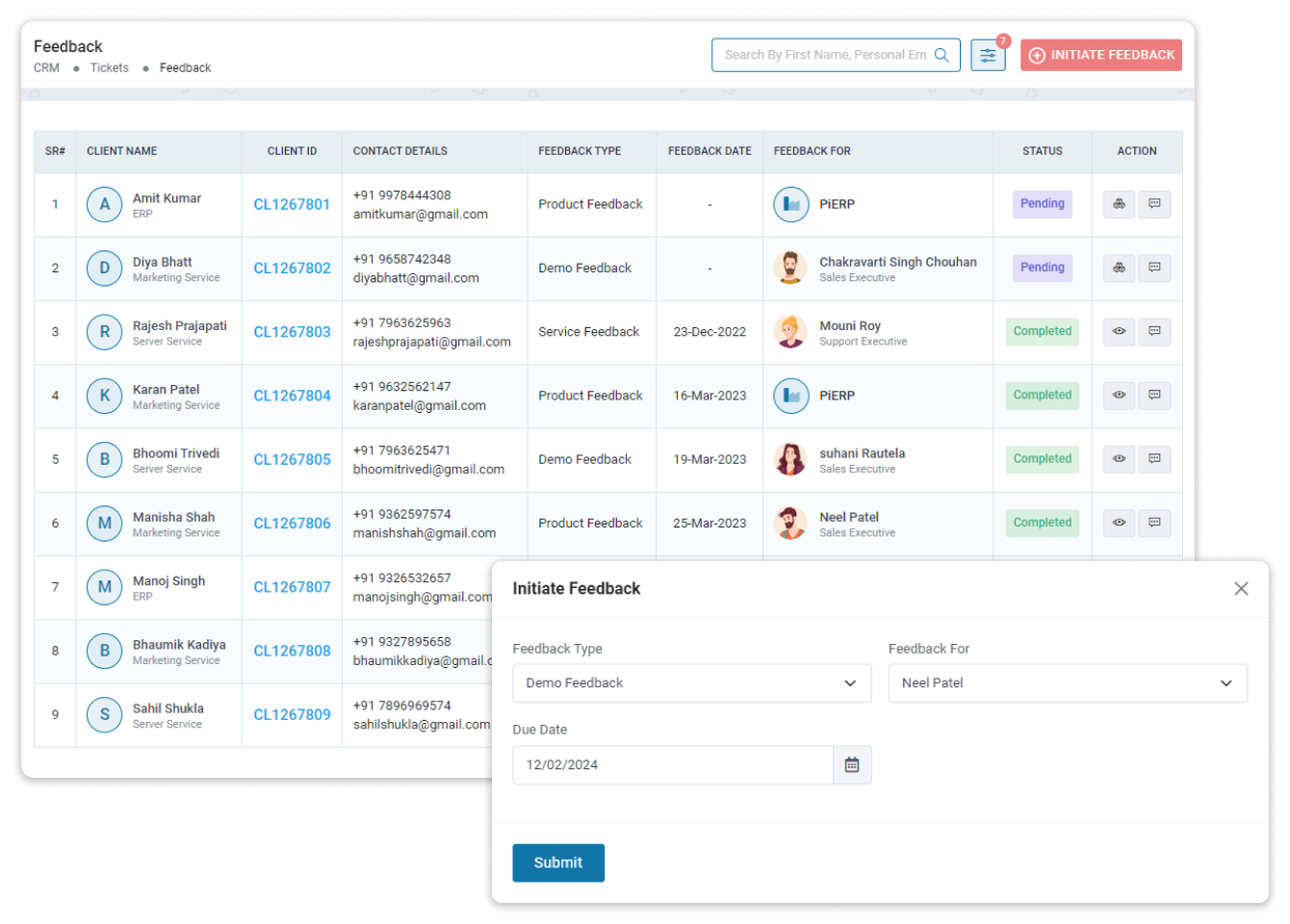
As we venture into the future of CRM software, the seamless integration of customer feedback tools is poised to revolutionize how businesses understand and engage with their customers. The landscape is evolving rapidly with technological innovations paving the way for smarter, more intuitive CRM systems.
These advancements are not just about enhancing functionality but also about fostering deeper customer relationships and improving business outcomes. Let’s delve into the emerging trends shaping the future of CRM software and the tools that collect and utilize customer feedback effectively.
Artificial Intelligence and Machine Learning Enhancements
One of the most significant trends is the integration of Artificial Intelligence (AI) and Machine Learning (ML) into CRM systems. These technologies are transforming CRM by providing predictive analytics, automating routine tasks, and offering insights from customer feedback that were previously unattainable. AI-driven chatbots and virtual assistants are making customer interactions more personalized and efficient, while ML algorithms are enabling real-time feedback analysis, helping companies to adapt and respond to customer needs swiftly.
Omni-channel Feedback Collection
Modern customers interact with brands through multiple touchpoints. Future CRM systems are focusing on omni-channel feedback collection to ensure that every customer interaction is captured, analyzed, and responded to, whether it occurs via social media, emails, phone calls, or in-person. This comprehensive approach not only improves customer satisfaction but also provides a unified view of customer interactions, empowering businesses with actionable insights.
Infographic on Future Trends and Their Potential Impacts
To better visualize the future landscape of CRM software and customer feedback tools, an infographic can effectively capture these trends and their potential impacts:
- AI and ML Integration: Enhancing predictive insights and customer personalization.
- Omni-channel Feedback: Creating a unified customer view across all platforms.
- Real-time Analytics: Enabling immediate action on customer feedback.
- Cloud-based Solutions: Offering scalable and flexible CRM capabilities.
- Enhanced Data Privacy: Strengthening trust with advanced security measures.
This infographic can serve as a guide for businesses looking to stay ahead of the curve and leverage these emerging trends for sustained growth and customer satisfaction.
Final Summary

As we venture into the future, the integration of CRM software with customer feedback tools stands as a beacon of innovation and customer-centricity. By seamlessly weaving customer insights into every aspect of your business, you pave the way for enduring relationships and a thriving enterprise. Don’t just adapt to change; be the change — and let your business soar to new heights with the power of feedback-driven CRM solutions.