Imagine a world where connecting with your customers is as seamless as a gentle breeze. Welcome to the realm of CRM software with email integration, where managing relationships becomes an art form. In today’s fast-paced business environment, the fusion of CRM and email systems isn’t just a luxury—it’s a necessity that can catapult your brand to new heights.
CRM software with email integration is like having a supercharged toolkit for customer engagement. It doesn’t just streamline communication; it revolutionizes the way businesses interact with their clients. By embedding email directly into your CRM system, you can track interactions, automate responses, and personalize messages with ease. It’s not just about managing data—it’s about creating meaningful connections that drive success.
Overview of CRM Software with Email Integration

In the digital age, businesses are pivoting towards more integrated solutions that streamline communication and enhance customer relationships. CRM software with email integration stands at the forefront of this transformation.
CRM software, or Customer Relationship Management software, is designed to manage a company’s interactions with current and potential customers. When integrated with email systems, this software elevates its functionality by allowing for seamless communication, personalized customer engagement, and efficient data tracking. The synergy between CRM and email systems creates a powerhouse for managing customer relationships efficiently.
Enhancing CRM Functionalities Through Email Integration
Email integration within CRM software revolutionizes how businesses interact with their customers. When emails are integrated into the CRM system, it enables a centralized communication hub where all customer interactions are recorded and accessible. This not only saves time but also ensures that no critical information gets lost in the shuffle. The integration allows for automated follow-ups, personalized newsletters, and targeted marketing campaigns, enhancing customer engagement and loyalty.
Popular CRM Software with Robust Email Integration
Several CRM platforms have embraced email integration to provide seamless experiences:
- Salesforce: Offers a comprehensive range of email tools that connect effortlessly with Gmail and Outlook.
- HubSpot: Known for its user-friendly interface and powerful email tracking features.
- Zoho CRM: Provides sophisticated email analytics and templates for personalized communication.
Benefits of Integrated CRM and Email Systems
Having CRM software integrated with email systems provides several advantages over standalone solutions:
| Feature | Integrated Solutions | Standalone Solutions |
|---|---|---|
| Communication Efficiency | Centralized and accessible | Disjointed and scattered |
| Customer Data Management | Comprehensive and unified | Fragmented and incomplete |
| Personalization | Highly targeted campaigns | Generic outreach |
“The power of CRM is not just in managing customer relationships, but in transforming them through integrated solutions.”
Key Features of CRM Software with Email Integration
-min.png "How Cold Email Software and CRM Integration Reshape Impact?")
In today’s fast-paced business environment, seamlessly integrating email capabilities into CRM software is more than a luxury—it’s a necessity. This integration empowers businesses to streamline communication, enhance customer interactions, and drive efficiency across all departments.
By understanding the key features of CRM software with email integration, companies can better harness these tools to foster stronger customer relationships and achieve their business goals.
Essential Features to Boost Email Integration
To effectively leverage CRM software with email integration, certain features are indispensable. Let’s explore the core capabilities that make this integration powerful:
| Feature Name | Description | Benefits | Providers |
|---|---|---|---|
| Email Tracking | Tracks email opens, clicks, and responses directly within the CRM. |
|
Salesforce, HubSpot |
| Email Templates | Pre-designed email formats for quick and consistent communication. |
|
Zoho CRM, Microsoft Dynamics 365 |
| Automated Workflows | Automates sending emails based on triggers or customer actions. |
|
ActiveCampaign, Pipedrive |
| Contact Synchronization | Syncs contacts between CRM and email platform for updated records. |
|
Freshworks CRM, Nimble |
Enhancing Business Operations through CRM Email Integration
Implementing these features can significantly transform how businesses operate. Imagine a scenario where a sales representative receives a notification that a potential client has opened an email multiple times. With this insight, the representative can promptly follow up with a tailored offer, increasing the likelihood of conversion. Similarly, automated workflows can trigger a series of nurturing emails to keep prospects engaged, reducing the chances of losing them to competitors.
In customer service contexts, email templates ensure that responses are uniform and professional, enhancing the brand’s reputation. Meanwhile, real-time contact synchronization guarantees that customer details are always up-to-date, allowing service teams to provide personalized experiences that customers appreciate.
Best Practices for Implementing Email Integration in CRM
In the fast-paced digital age, integrating email functionality with CRM software is no longer a luxury but a necessity. The seamless flow of communication can significantly enhance customer relationships and streamline operations.
By blending these two pivotal tools, businesses can ensure cohesive communication and data centralization, leading to enriched customer interactions and improved efficiency.
Steps for Effective Email Integration
Integrating email with CRM isn’t just about linking two systems. It’s about creating a harmonious ecosystem where data flows smoothly and functions enhance each other. To achieve this, here are some key steps:
- Data Migration: Begin with a comprehensive review of existing data. Ensure all client interactions and email communications are accurately transferred to the CRM.
- User Training: Equip your team with the necessary skills. Conduct workshops and provide resources to make sure everyone is comfortable with the new system.
- Customization: Tailor the CRM settings to align with your business processes. Opt for customization that reflects your unique communication needs.
Checklist for Successful Integration
To ensure you’ve covered all bases, use the following checklist as a guide:
- Assess compatibility between your email and CRM platforms.
- Back up all existing data before initiating the migration.
- Coordinate with IT for technical support during integration.
- Test integration in a controlled environment before full deployment.
- Gather feedback from users and make necessary adjustments.
Overcoming Common Integration Challenges
Even with the best preparations, challenges can arise. Here’s how to tackle them:
Technical issues are common, such as syncing errors or data discrepancies. Engage IT support early and conduct regular checks to ensure everything functions properly. Another obstacle is resistance to change from team members. Foster an open environment where concerns can be shared, and emphasize
“the benefits of unified communication.”
Optimizing Email-Integrated CRM Systems
To get the most out of your integrated system, consider the following tips:
- Regularly update the system to incorporate new features and security patches.
- Encourage the use of CRM analytics to understand email performance and customer engagement.
- Utilize automation features to manage routine tasks, freeing up time for strategic activities.
By embracing these practices, your organization can enhance productivity and achieve a more cohesive approach to customer relationship management.
Impact on Sales and Marketing Strategies

Integrating email functionalities within CRM software isn’t just an upgrade; it’s a revolution in how sales and marketing teams operate. The harmony between CRM and email can propel a business’s strategies from ordinary to extraordinary.
By harnessing this powerful integration, companies can achieve more targeted marketing efforts, better customer segmentation, and ultimately, a higher conversion rate. Let’s explore how these enhancements unfold in the real world and spark success.
Enhanced Customer Engagement and Targeting
CRM software with email integration allows businesses to craft personalized campaigns that speak directly to customer needs and preferences. This level of customization not only fosters engagement but also builds a stronger connection with the brand. For instance, a retail company leveraging integrated email functions can send personalized product recommendations based on a customer’s purchase history, significantly increasing the chances of conversion.
Streamlined Sales Processes
Sales teams benefit immensely from the efficiency brought by CRM and email integration. With every customer interaction and email correspondence documented in one place, sales representatives can quickly access valuable insights and tailor their approaches. Consider a scenario where a sales team closes deals faster because they can immediately address customer inquiries with the right information, thanks to seamless email-CRM synchronization.
Successful Case Studies and Campaigns
Take the case of a tech firm that integrated its email marketing with CRM software and saw a 30% increase in lead conversion. By analyzing customer interactions via email, the company identified prospects ready to buy and strategically targeted them with personalized offers. This targeted strategy was only possible due to the robust data provided by the integrated system, showcasing its undeniable impact.
Hypothetical Scenario: The Marketing Makeover
Imagine a mid-sized e-commerce business struggling with low email open rates and conversion. By integrating their CRM with email, they begin segmenting their audience based on behavior and previous purchases. The result? A marketing campaign that speaks directly to each segment’s interests. With tailored content, they witness a dramatic rise in engagement and sales, turning what was once a lackluster strategy into a revenue-generating powerhouse.
Comparison of Top CRM Software with Email Integration
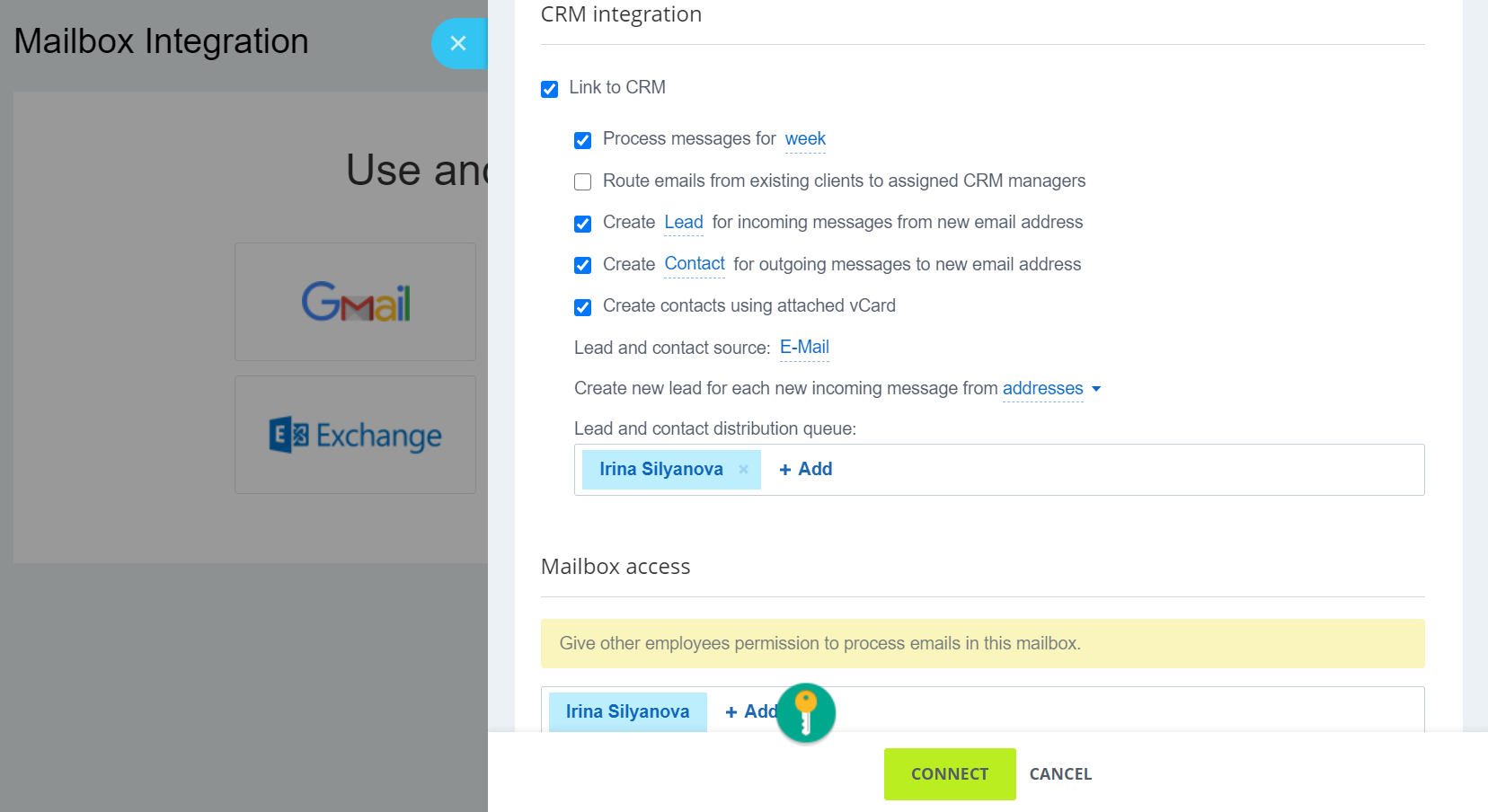
In the dynamic world of Customer Relationship Management (CRM), the integration of email functionality is pivotal. Companies are often challenged with selecting the right software that seamlessly blends these capabilities. Let’s dive into a comparison of top CRM software options to understand their email integration prowess.
Each software solution offers unique features and benefits that cater to diverse business needs. From pricing models to user experiences, we’ll explore how these CRM systems stack up against each other.
Unveiling CRM Software Options
| Software Name | Key Features | Pricing | User Rating |
|---|---|---|---|
| Salesforce | Email tracking, automated workflows, AI-driven insights | Starting at $25/user/month | 4.5/5 |
| HubSpot | Email scheduling, CRM email templates, tracking | Free to $50/user/month | 4.6/5 |
| Zoho CRM | Email analytics, integration with Zoho Mail, automation | Starting at $12/user/month | 4.2/5 |
| Microsoft Dynamics 365 | Seamless Outlook integration, email engagement tools | Contact for pricing | 4.3/5 |
Strengths and Weaknesses
Each CRM software shines in its own way. Salesforce is renowned for its robust AI-driven analytics, making it a preferred choice for data-oriented industries. However, its pricing might be steep for small businesses. HubSpot offers a balance with its free tier that attracts startups, but some advanced features come at a cost. Zoho CRM is appreciated for its affordability and integration with Zoho’s ecosystem, although it might lack some advanced customization found in pricier options. Microsoft Dynamics 365 is favored for its seamless integration with Outlook, making it ideal for enterprises heavily reliant on Microsoft’s suite, yet its higher price and complexity can be barriers.
User Feedback and Testimonials
User experiences add a vital layer to understanding these platforms. A user of Salesforce noted,
“The AI insights have revolutionized our email campaigns.”
Meanwhile, HubSpot users rave about its ease of use, stating it is “perfect for nurturing leads with minimal effort.” Zoho’s affordability is a major draw, with one user stating,
“Zoho CRM’s email analytics helped us optimize our marketing strategy on a budget.”
Microsoft Dynamics 365 users appreciate its integration, describing it as “an essential tool for our email-heavy operations.”
Industry-Specific Priorities
Different industries prioritize various aspects of email integration. Retail businesses may value CRM systems that offer detailed customer journey tracking, while financial services might prioritize security and compliance in email interactions. Technology companies often seek advanced analytics and automation features, whereas non-profits could prioritize cost-effectiveness and simplicity in outreach communications. Understanding these industry-specific needs helps in tailoring the CRM choice accordingly.
Future Trends in CRM and Email Integration

As we navigate through the ever-evolving landscape of CRM technology, the integration of email systems continues to be a pivotal feature. This integration is advancing rapidly, driven by the need for more seamless, efficient, and intelligent communication between businesses and their clients.
Emerging trends suggest that CRM software with email integration will become increasingly sophisticated, incorporating cutting-edge technologies and advanced functionalities that cater to the dynamic needs of modern businesses.
Technological Advancements Impacting CRM and Email Integration
One of the most exciting developments in this space is the integration of artificial intelligence and machine learning. These technologies are poised to revolutionize CRM by enabling predictive analytics, automated customer interactions, and personalized email content. Imagine a world where your CRM system can automatically suggest the best time to send an email based on customer behavior patterns or generate insights from email interactions to enhance customer engagement strategies.
Furthermore, the rise of cloud-based solutions continues to transform how businesses leverage CRM systems. Cloud integration facilitates real-time data access and collaboration, allowing teams to work more cohesively and respond swiftly to customer needs. As businesses expand globally, the demand for robust, scalable, and secure CRM solutions with email integration will only grow stronger.
AI and Machine Learning Enhancements
AI-driven features like natural language processing (NLP) and sentiment analysis are set to redefine email integration. By understanding the tone and context of customer emails, CRMs can prioritize responses, detect potential issues, and enhance customer service efficiency. Machine learning algorithms will further empower CRM systems to learn from each interaction, continuously improving their capabilities and offering more refined recommendations and insights.
Moreover, the integration of AI chatbots with CRM email systems will augment customer support by handling routine queries and tasks, leaving human agents to focus on more complex issues. This synergy promises a future where customer interactions are not only faster but also more meaningful and impactful.
Vision for the Future of CRM Systems with Integrated Email
Envision a future where CRM systems are not just tools, but indispensable allies in business strategy. Advanced features such as hyper-personalization will become the norm, allowing businesses to tailor every email with precision, thus forging deeper connections with customers. Enhanced data visualization tools will provide clearer insights into customer journeys, enabling more informed decision-making.
In this envisioned future, CRM platforms will seamlessly integrate with emerging technologies like the Internet of Things (IoT) and augmented reality (AR), transforming how businesses interact with their environment and customers. Such integration will unlock unparalleled opportunities for innovation, efficiency, and growth.
Final Summary

As we sail towards the future, the synergy between CRM software and email integration promises to reshape the landscape of customer interactions. By embracing these powerful tools, businesses can unlock unprecedented levels of efficiency and personalization. So, take the leap, embrace the future, and transform your customer relationship management into a powerhouse of possibilities.