Imagine a world where your sales team operates like a well-oiled machine, where every lead is nurtured, and every customer interaction is perfectly timed. This is not a distant dream; it’s a reality achieved with the power of CRM software. Discover how leveraging CRM tools can catapult your sales productivity to new heights, ensuring that your business not only meets but exceeds its targets.
In today’s fast-paced business environment, staying ahead of the competition means embracing technology that works as hard as you do. CRM software is that secret weapon, integrating seamlessly with your existing business tools and offering an array of features that automate mundane tasks, enhance team collaboration and provide invaluable data-driven insights. Let’s dive into the transformative power of CRM and see how it can redefine your sales processes.
Understanding CRM Software

In today’s fast-paced business environment, CRM software has become an indispensable tool for sales teams aiming to enhance productivity and streamline their operations. This powerful technology is designed to cultivate relationships, manage interactions, and ultimately drive sales growth.
By leveraging CRM software, companies can effectively organize customer information, track interactions, and manage their sales pipeline. This ensures that all team members are on the same page and can focus on what they do best—selling. But that’s not all. CRM software often integrates seamlessly with other essential business tools, providing a comprehensive solution that enhances productivity across the board.
Key Features Enhancing Sales Productivity
CRM software is jam-packed with features that directly impact sales performance. These include automated data entry, which saves time and reduces errors, and lead scoring, enabling sales reps to prioritize leads that are most likely to convert. Furthermore, CRM systems offer task management to help teams stay organized and meet deadlines efficiently.
Integration with email marketing platforms and social media channels allows for multi-channel engagement, ensuring that sales reps can reach out to prospects wherever they are. Additionally, CRM software facilitates real-time reporting, offering insights into sales performance and helping teams make informed decisions.
CRM Integration with Business Tools
Businesses thrive when their tools work in harmony. CRM software’s ability to integrate with other business applications is a game-changer. Imagine a system that communicates effortlessly with your email marketing, accounting, and customer support software. This synergy not only saves time but also provides a unified view of customer interactions, which is crucial for personalized service.
The integration capabilities of CRM systems enable data synchronization across platforms, reducing redundancy and ensuring that data is always up to date. This functionality allows sales teams to have all the necessary information at their fingertips, regardless of the tools they are using at any given moment.
Impact of CRM Dashboards on Sales Teams
CRM dashboards play a significant role in transforming raw data into actionable insights. These dashboards provide sales teams with a visual representation of key metrics, such as sales targets, conversion rates, and pipeline stages. This visual data is crucial for identifying trends, tracking progress, and making strategic decisions.
“A well-designed CRM dashboard can be a sales team’s best ally, offering clarity, focus, and direction.”
Customizable dashboards allow teams to tailor the information they see, ensuring that each member focuses on metrics relevant to their role. This personalization boosts engagement and drives performance, as sales reps are empowered with the knowledge they need to close deals effectively.
Benefits of CRM Software on Sales Processes

In an era where efficiency is king, CRM software emerges as a vital tool, meticulously refining the sales process. Its transformative power not only streamlines tasks but also propels teams towards unprecedented productivity.
Imagine a world where mundane tasks are automated, forecasts are sharp, and relationships blossom effortlessly. This is the promise of CRM software in modern sales dynamics.
Automation Revolutionizes Sales Tasks
CRM software automates repetitive tasks such as data entry, follow-ups, and scheduling, freeing up valuable time for sales teams to focus on what truly matters—nurturing customer relationships and closing deals. By creating streamlined workflows and reducing manual errors, CRM empowers sales professionals to operate at their peak efficiency, making every interaction count.
Enhancing Precision in Sales Forecasting
The accuracy of sales forecasts can be significantly enhanced with CRM software. By analyzing historical data and current trends, CRM systems offer predictive insights that enable sales teams to make informed decisions. This foresight helps in aligning resources and strategies effectively, ensuring that teams are always a step ahead of market demands.
Strengthening Customer Relationships
At the core of its functionality, CRM software is a robust tool for enhancing customer relationships. It provides a 360-degree view of customer interactions, preferences, and history, allowing sales teams to tailor their approaches and build more meaningful connections. With detailed customer insights, businesses can offer personalized experiences that foster loyalty and satisfaction.
“CRM is not just a tool; it’s the new age compass guiding sales teams through complex customer landscapes.”
Impact on Sales Team Collaboration

In the dynamic realm of sales, effective collaboration among team members is crucial for success. With CRM software, sales teams can transcend traditional barriers and enhance their collective efficiency.
Leveraging CRM systems, sales departments can transform their internal communication, resource sharing, and performance tracking. These platforms offer a unified interface where all team members can access customer data, synchronize activities, and monitor progress, leading to a more cohesive and productive team environment.
Transforming Traditional Sales Processes
Traditional sales methods often relied on disparate tools and manual processes, causing information silos and miscommunication. CRM-enabled processes, however, integrate these elements into a seamless workflow. Let’s explore the differences:
| Traditional Sales Methods | CRM-Enabled Processes |
|---|---|
| Fragmented communication channels | Centralized communication platform |
| Manual data entry and tracking | Automated data capture and analysis |
| Limited visibility of team activities | Real-time monitoring of team performance |
CRM software acts as the connective tissue that binds sales teams together, fostering an environment of shared goals and mutual accountability.
Through shared dashboards and real-time updates, team members can instantly see how their efforts contribute to overall objectives, ensuring everyone is aligned and informed. The result is a sales team that is not only more productive but also more agile and responsive to market changes.
Facilitating Effective Communication
CRM software fundamentally changes how sales teams communicate, making interactions more efficient and insightful. By providing a central hub for all customer interactions and team communications, CRM systems eliminate unnecessary meetings and email chains.
Sales team members can tag each other on specific deals, leave notes directly in the CRM about customer preferences or meeting outcomes, and set reminders for follow-ups, all within one system. This integrated approach not only saves time but also ensures that critical information is always at hand, enhancing the quality of engagements both within the team and with clients.
Tracking Performance and Enhancing Accountability
Performance tracking is another vital area where CRM software shines. Sales managers can use CRM analytics to monitor individual and team performance, identifying strengths and areas for improvement.
With detailed reports and dashboards, managers can easily track KPIs, quota achievements, and lead conversion rates. This data-driven approach allows for precise feedback and tailored coaching, empowering sales reps to hone their skills continuously.
Moreover, by maintaining a transparent record of activities and results, CRM systems inherently promote accountability. Team members can see how their performance stacks up against their peers, fostering a healthy competitive spirit and a result-oriented mindset.
CRM Software and Data-Driven Decision Making

In today’s fast-paced business environment, leveraging CRM software is paramount for turning data into actionable insights. With data-driven decision making, sales teams can navigate the complex landscape of customer interactions with precision and clarity.
CRM software serves as a powerhouse of data, offering invaluable insights that can transform your sales strategies from good to exceptional. Through detailed analytics and reporting, CRM systems provide the tools necessary to optimize sales performance and align strategies with overarching business goals.
CRM Data Insights and Their Applications in Sales Strategies
The ability to translate raw data into meaningful sales strategies is a key advantage of CRM software. Let’s explore some of the pivotal insights that CRM data offers and their potential applications:
| CRM Data Insight | Application in Sales Strategies |
|---|---|
| Customer Purchase History | Tailor personalized sales pitches to align with past buying behaviors |
| Lead Scoring | Prioritize leads based on their likelihood to convert, enhancing efficiency |
| Sales Cycle Analysis | Identify bottlenecks and streamline processes for quicker closes |
| Customer Feedback | Refine products/services in response to direct customer input |
Utilizing CRM Analytics to Optimize Sales Campaigns
CRM analytics provide a powerful lens through which sales teams can view campaign performance and make data-backed improvements. By leveraging these analytics, businesses can:
- Identify the most effective channels for reaching target audiences.
- Adjust messaging and offers in real-time to better engage potential customers.
- Predict future sales trends and prepare proactively for market shifts.
This ability to refine and adapt sales campaigns based on real-world data ensures that sales efforts are consistently aligned with customer needs and preferences.
Aligning Sales Objectives with Business Goals Through CRM Reports
CRM reports are not just about tracking sales metrics; they are about aligning sales objectives with the broader business vision. With comprehensive reports, sales leaders can:
“Align actions with outcomes, ensuring every move is strategically sound and tactically efficient.”
Use CRM reports to:
- Monitor progress against targets, ensuring that sales activities contribute to the company’s mission.
- Facilitate open communication and transparency across departments, bridging gaps between sales and management.
- Drive strategic adjustments in near real-time, maximizing opportunity capture and resource allocation.
In essence, CRM software transforms raw data into a strategic asset, empowering sales teams to make informed, impactful decisions that drive growth and success.
Enhancing Customer Experience with CRM Software

In today’s competitive market, delivering an outstanding customer experience is paramount. CRM software is a game-changer in personalizing interactions and enhancing client satisfaction.
By leveraging CRM data, businesses can tailor their communications and offerings to meet the unique needs of each customer, ensuring a seamless and engaging experience at every touchpoint.
Personalizing Customer Interactions Using CRM Data
CRM systems house a treasure trove of customer information—from purchase history to personal preferences—allowing businesses to craft bespoke interactions that resonate. For example, by analyzing past interactions and preferences, sales teams can recommend products or services that align perfectly with a customer’s interests. This level of personalization not only boosts sales but also fosters a deeper emotional connection with the brand.
Successful Customer Retention Strategies Supported by CRM Tools
Customer retention is as crucial as acquisition, if not more. With CRM tools, companies can implement targeted retention strategies such as loyalty programs and personalized follow-ups. For instance, a company might use CRM analytics to identify loyal customers who have not interacted recently, then offer them exclusive promotions or personalized outreach to re-engage them. These strategies, powered by CRM insights, significantly enhance customer loyalty and lifetime value.
CRM software is the backbone of improving customer satisfaction, offering businesses the insights needed to deliver tailored experiences that keep customers coming back.
Implementing CRM Software for Maximum Efficiency
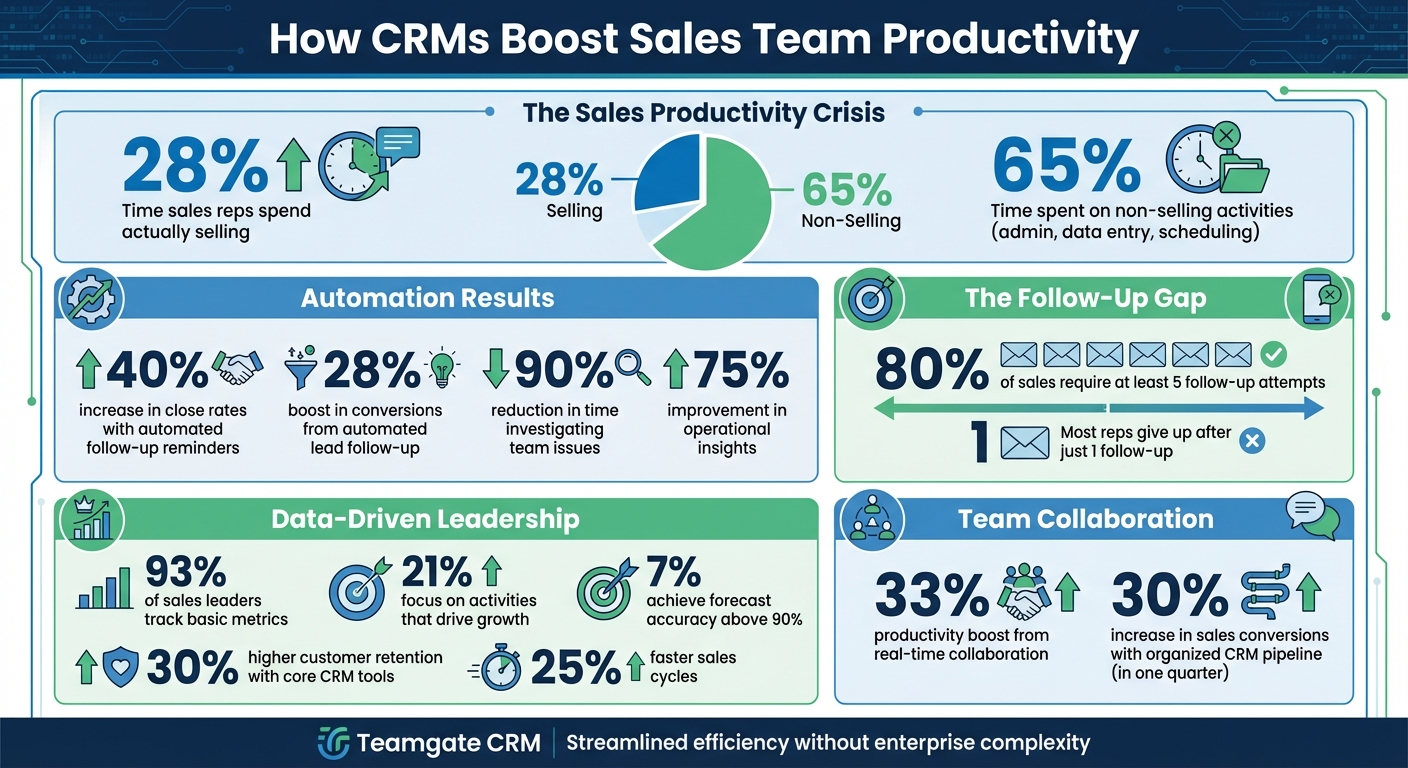
Implementing CRM software is more than just flipping a switch; it’s a transformational journey for any sales department aiming to reach new heights. With the right approach, CRM tools can exponentially enhance efficiency and productivity.
Understanding how to effectively integrate CRM into your daily operations is key. Let’s explore a strategic approach to implementing CRM software that ensures maximum gains in efficiency.
Step-by-Step Guide for CRM Software Adoption
Adopting CRM software can revolutionize your sales processes, but it requires a structured approach. Follow these steps to embed CRM into your sales department seamlessly:
- Assess Your Needs: Begin by analyzing your sales processes to determine what you need from a CRM system.
- Select the Right CRM: Choose a CRM solution that aligns with your business goals and integrates with existing tools.
- Plan the Implementation: Develop a detailed implementation plan, including timelines and responsibilities.
- Customize Your CRM: Tailor the CRM to suit your sales workflows, ensuring it fits seamlessly into your operations.
- Test the System: Conduct rigorous testing with a small group of users to catch any issues early.
- Roll Out Gradually: Implement the CRM in phases to reduce disruption and allow for adjustments.
Best Practices for Training Sales Staff
Ensuring your sales team is well-equipped to use CRM tools effectively can make or break your implementation efforts. Here are some best practices to follow:
- Interactive Training Sessions: Engage your team with hands-on, interactive training sessions to build confidence in using the new system.
- Create Comprehensive Resources: Develop a library of tutorials, guides, and FAQs that staff can refer to at any time.
- Appoint CRM Champions: Identify and train a group of CRM champions within your team who can lead by example and assist others.
- Encourage Continuous Learning: Foster a culture of continuous improvement with regular workshops and refresher courses.
Overcoming Common CRM Implementation Challenges
CRM implementation is not without its hurdles. However, understanding these challenges and how to address them can smooth the transition process.
“The key to overcoming CRM challenges is not just technical solutions but cultivating a change-ready culture.”
| Challenge | Solution |
|---|---|
| Resistance to Change | Involve users early in the process and communicate the benefits of CRM clearly. |
| Data Migration Issues | Ensure data is clean and up to date before migration; use data specialists if needed. |
| Lack of User Adoption | Provide ongoing support and incentives for using the CRM system effectively. |
| Integration Difficulties | Select a CRM that offers compatibility with existing software tools. |
Conclusion

In conclusion, CRM software isn’t just a tool—it’s a catalyst for innovation and growth within your sales team. By streamlining processes, enriching customer experiences, and driving data-informed strategies, CRM empowers your sales force to operate at peak efficiency. Now is the time to embrace this technology and watch as it revolutionizes your sales productivity, turning potential challenges into success stories.