Imagine a world where every customer interaction is seamless, personalized, and drives your business forward. In today’s competitive market, understanding how to choose the right CRM software can be the secret ingredient to elevating your customer relationships and skyrocketing your business success.
By diving into the heart of your business needs and aligning them with powerful CRM functionalities, you’re not just investing in a tool—you’re crafting a strategy for growth. Let’s explore together how the right CRM software can bridge gaps, enhance customer satisfaction, and ensure your business thrives.
Identify Business Needs
Choosing the right CRM software starts with a deep understanding of your business needs and goals. Without this clarity, selecting a CRM is like trying to fit a square peg into a round hole. Pinpointing what your business specifically requires from a CRM will streamline your decision-making process and ensure you get a solution that truly benefits your operations.
Every business is unique, yet common needs often include improving customer relationships, enhancing sales processes, and providing better service support. A CRM system can address these needs by offering features like contact management, sales tracking, and customer service tools. By aligning CRM capabilities with your business objectives, you can ensure a more productive and harmonious integration.
Understanding Your Business Requirements
Before diving into the world of CRM options, take a step back and evaluate your current processes and challenges. This introspection is crucial, as understanding your business requirements will guide you in selecting a CRM that complements your operations. For instance, if your goal is to enhance customer interaction, look for CRMs with robust communication tools. If you struggle with tracking sales, prioritize systems with detailed analytics and reporting features.
It’s essential to involve various departments in this evaluation process. A sales team might need functionalities that differ from what the customer support team desires. Conducting interviews and gathering feedback from these departments will provide a comprehensive view of what to look for in a CRM.
Key Features and Functionality
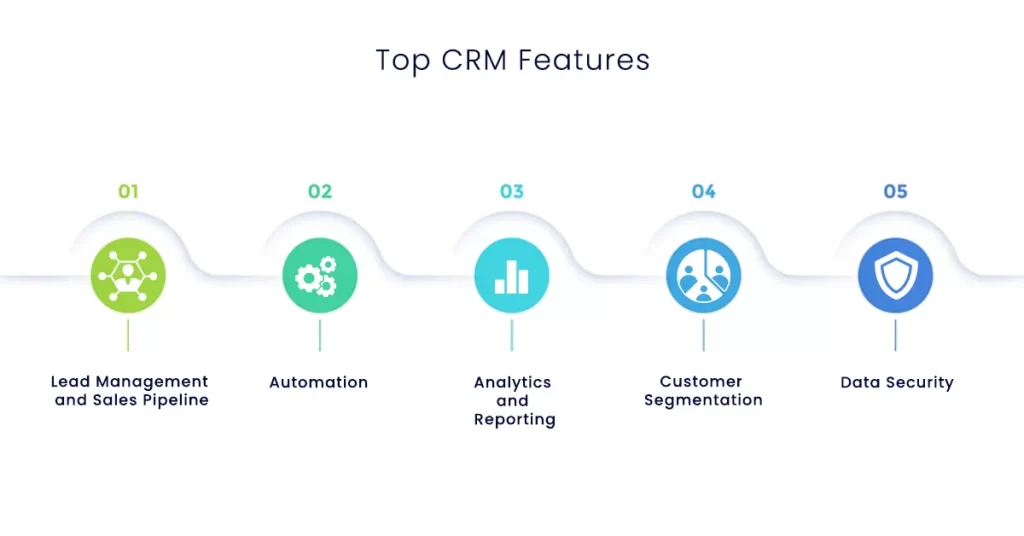
When it comes to selecting the perfect CRM software, understanding the essential features and functionalities can be a game-changer for your business. These tools are designed to enhance customer relationships and streamline your operations.
Imagine having a system that not only organizes your contacts but also helps you track interactions, automate tasks, and ultimately boost productivity. That’s the magic of a well-chosen CRM with the right features.
Essential CRM Features to Look For
The right CRM software should be a powerhouse of features that cater to various aspects of customer relationship management. Here are some critical capabilities that you should evaluate:
- Contact Management: Centralize all customer information and interactions in one place.
- Lead Management: Efficiently track and manage potential customers through the sales funnel.
- Email Integration: Seamlessly connect your email platform to avoid missing any customer communication.
- Sales Automation: Automate routine tasks such as follow-up emails and reminders to enhance efficiency.
- Reporting and Analytics: Gain valuable insights into customer behaviors and sales performance through detailed reports.
- Customizable Dashboards: Tailor the CRM interface to fit your unique business needs and priorities.
Functionalities That Enhance Customer Relationships
Enhancing customer relationships is at the heart of any good CRM. It should empower your team with tools that facilitate communication and build stronger bonds with clients.
A robust CRM should offer functionalities that streamline operations by automating and simplifying complex workflows. Automation features, for example, can free up your time, allowing you to focus on strategic tasks.
In a world where customer experience reigns supreme, your CRM should be your secret weapon.
Evaluating CRM Capabilities through Features
To ensure a comprehensive evaluation, here’s a comparison of features that might help you navigate through the plethora of CRM solutions available:
| Feature | Functionality | Benefit |
|---|---|---|
| Mobile Access | Access CRM data on-the-go | Enables real-time updates and convenience |
| Social Media Integration | Connect CRM with social platforms | Enhances engagement and responsiveness |
| Customer Support | Provide support through multiple channels | Improves customer satisfaction and loyalty |
Integration Capabilities
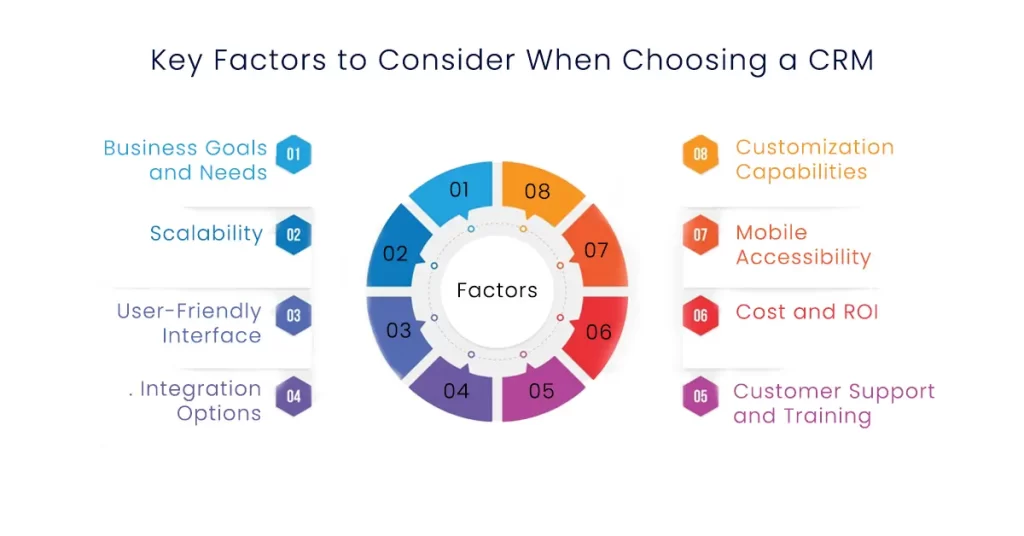
In the bustling world of business software, a seamless experience reigns supreme. Integration capabilities are the golden key to unlocking a CRM’s full potential.
The ability of a CRM system to integrate with existing tools is not just a luxury but a necessity. With the right integrations, businesses can create a harmonious ecosystem, where data flows smoothly and processes become more efficient.
Seamless Software Symbiosis
Imagine a symphony where every instrument plays in perfect harmony; that’s what effective integration can do for your business software. A CRM can effortlessly sync with a host of platforms, from email providers to social media channels, transforming isolated instruments into a cohesive orchestra.
Integrating your CRM with other software platforms enables you to centralize data, automate workflows, and maintain consistency across different departments. Whether it’s your email marketing tool, accounting software, or customer service platform, synchronized systems mean less manual work and more time focusing on strategic growth.
Let’s explore a table of common tools, their integration methods, the benefits they bring, and potential issues you might encounter:
| Tool Name | Integration Method | Benefits | Potential Issues |
|---|---|---|---|
| Email Marketing (e.g., Mailchimp) | API, Zapier | Automate campaigns, track customer engagement | Data syncing delays |
| Accounting Software (e.g., QuickBooks) | Direct Integration | Streamline invoicing, financial accuracy | Complex initial setup |
| Customer Support (e.g., Zendesk) | Third-party Connectors | Centralize support tickets, enhance customer satisfaction | Compatibility issues |
| Social Media (e.g., Facebook) | Native Integration | Real-time customer insights, improved engagement | Privacy concerns |
“The beauty of integration is in its power to amplify productivity while minimizing chaos.”
By leveraging these integration capabilities, businesses not only enhance their operational efficiency but also position themselves for sustainable success in the competitive market landscape. Remember, each integration is a step toward a more connected and dynamic business environment.
User Experience and Accessibility

In the world of CRM software, user experience and accessibility are paramount. A tool that’s hard to use will find itself quickly abandoned, wasting resources and opportunities.
Creating a user-friendly interface is not just about aesthetics; it’s about functionality and ease of use. When a CRM is intuitive, employees can adopt it more readily, leading to better data management and customer interactions.
User-Friendly Interfaces Boost CRM Adoption
Imagine opening a CRM software and instantly knowing where to click for what you need. That’s the power of a well-designed, user-friendly interface. Such interfaces reduce the learning curve significantly, making it easier for team members to embrace the new system. A seamless navigation experience removes barriers to adoption and ensures that everyone, from tech-savvy salespeople to tech-averse administrators, can engage with the software effectively. This accessibility means faster onboarding, less training time, and greater overall productivity.
Desktop vs. Mobile CRM Experiences
Accessibility is not just about physical access but also about platform versatility. In our fast-paced world, accessing CRM data from both desktop and mobile devices is essential.
| Feature | Desktop CRM | Mobile CRM |
|---|---|---|
| Screen Size | Larger, more detailed views | Compact, on-the-go access |
| Use Case | In-depth data analysis | Quick data entry and retrieval |
| Interface | Complex, feature-rich | Simplified, focused |
While desktop CRMs offer a more comprehensive view and are ideal for when detailed analysis is required, mobile CRMs excel in providing quick, on-the-go solutions. This dual accessibility ensures that no opportunity or lead is missed, whether you’re at your desk or on the road.
Intuitive CRM Designs and Their Impact
A CRM with a cluttered, confusing design can hinder productivity rather than enhance it. Consider a CRM like HubSpot, known for its clean, minimalistic design that guides users naturally. Such intuitive designs mean fewer mistakes, fewer system-related frustrations, and smoother workflows. With a design that feels like it’s anticipating your next move, productivity soars as users can focus on what truly matters: building customer relationships and closing deals.
“The best interface is no interface.” Intuitive designs create an environment where the tool becomes an extension of the user, not an obstacle.
Cost and Pricing Models
Navigating the sea of CRM software options can be daunting, but understanding the pricing models can be your compass. Different businesses have different needs, and the right pricing model can unlock the full potential of your CRM investment.
CRM software comes with various pricing models that can cater to businesses of all sizes. From subscription-based models to perpetual licenses, understanding these options will help you make an informed decision.
Understanding Pricing Models
The world of CRM pricing is rich and varied, offering several models that cater to diverse business needs. Here’s a breakdown of the key pricing models that you are likely to encounter:
- Subscription-Based: Typically charged per user per month, this model allows you to scale your CRM usage up or down as your business grows.
- Perpetual License: A one-time fee for lifetime access to the software, suitable for businesses that prefer upfront investments over ongoing costs.
- Freemium: Offers basic features for free, with advanced functionalities available at a premium. Perfect for startups testing the waters.
- Tiered Pricing: Different pricing levels offer varying features, allowing businesses to select a package that best meets their current needs.
Comparing Pricing Options
To make the decision-making process easier, here’s a comparison table that artikels different pricing options, key features, and scalability for popular CRM software:
| Model | Price Range | Features | Scalability |
|---|---|---|---|
| Subscription-Based | $10-$100/user/month | Full feature access, customer support | Highly scalable, pay-as-you-grow |
| Perpetual License | $5000-$20,000 one-time | Lifetime access, usually limited updates | Scalable with additional licenses |
| Freemium | Free – $50/month | Limited features, optional upgrades | Ideal for small to medium businesses |
| Tiered Pricing | $20-$150/user/month | Varies by tier; includes add-ons | Customizable based on tier |
Evaluating Cost-Effectiveness
When evaluating the cost-effectiveness of a CRM solution, consider the size of your business and your budget. A small business might find a freemium or low-tier subscription more beneficial, while larger enterprises may prefer the predictability of a perpetual license. Here are some key points to consider:
“The best CRM pricing model is one that aligns with your business goals and budget constraints, offering both flexibility and value.”
- Assess how many users will need access and calculate the total cost.
- Consider the potential for growth and whether the chosen model supports scalability.
- Evaluate the total cost of ownership, including additional costs for support and upgrades.
- Seek trial versions to test the software before committing.
Customer Support and Training

Choosing the right CRM software is just the beginning. To ensure its successful implementation, robust customer support and comprehensive training are crucial.
A CRM system is only as good as the support and training that backs it. The ability to navigate the complexities of your chosen software relies heavily on the support services and educational materials provided by the vendor. These elements are vital for empowering teams and driving organizational efficiency.
Evaluating Vendor Support Services
When scrutinizing CRM vendors, consider the quality and accessibility of their customer support and training options. Here, we delve into various methods that can guide your assessment:
- Explore the availability of 24/7 support services and the various communication channels offered, such as chat, phone, or email.
- Inquire about personalized training sessions and whether they are tailored to your team’s specific needs.
- Examine customer reviews and feedback to gauge user satisfaction with support and training experiences.
- Check if there are dedicated account managers or support teams assigned to your company for streamlined communication.
In the following table, we break down some of the essential aspects to consider when evaluating vendor support and training:
| Support Options | Training Resources | Response Times | User Feedback |
|---|---|---|---|
| 24/7 Live Chat, Email, Phone Support | Online Tutorials, Webinars, On-site Training | Instant to 24 Hours | Highly Rated for Responsiveness and Clarity |
| Dedicated Account Manager | Custom Training Modules | Within 2-4 Hours | Positive Feedback on Personalized Service |
| Community Forums, Knowledge Base | Self-Paced Courses | Varies by Channel | Mixed Reviews, Dependent on Community Activity |
Effective customer support isn’t just a nice-to-have; it’s a crucial component of your CRM strategy.
Final Thoughts
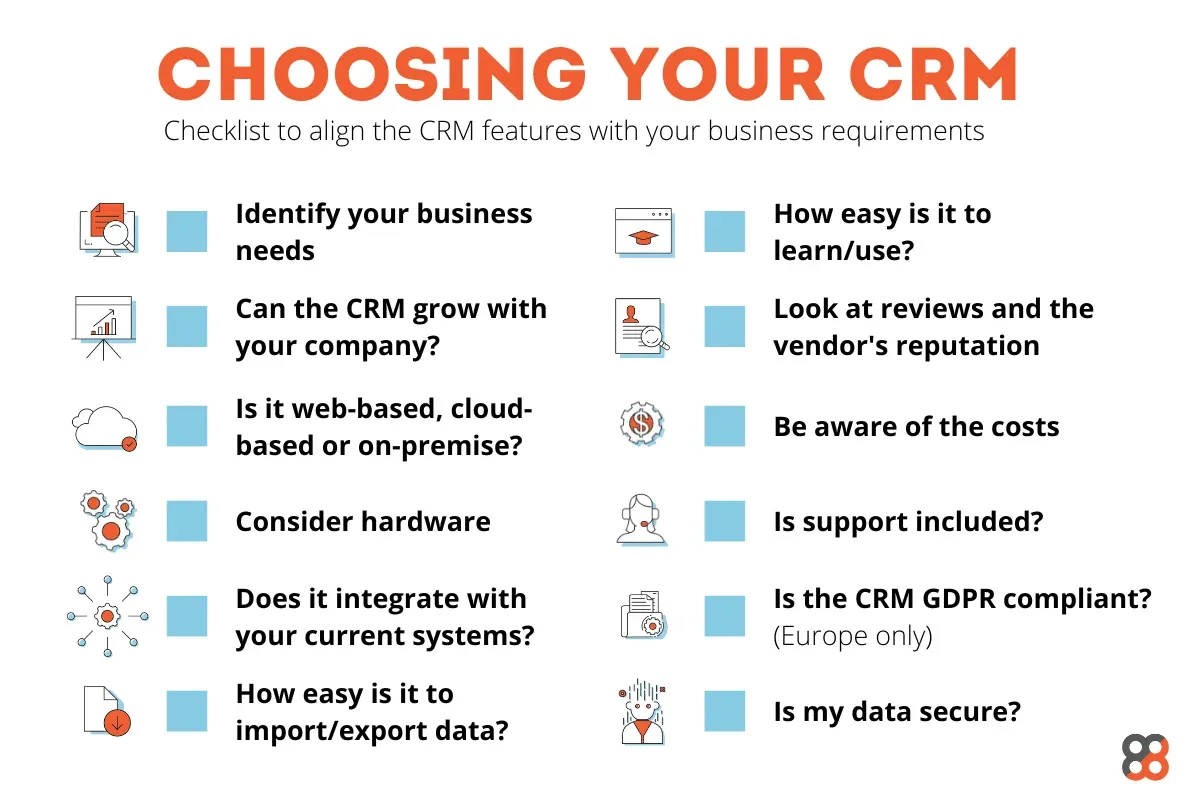
In conclusion, choosing the perfect CRM software is an art and a science, combining strategic alignment with technical prowess. As you embark on this journey, remember that the right CRM can be your most valuable business ally, streamlining operations and deepening customer connections. So, take the leap, and watch your business transform!