Imagine a world where every interaction with your customer is seamlessly personalized, every process is finely tuned to your business needs, and every decision is data-driven. Welcome to the age of CRM software with customization options, where businesses of all sizes can harness the power of tailored solutions to redefine their success.
Customization is the secret ingredient that transforms generic CRM systems into powerful business allies. By adapting your CRM to the unique demands of your industry, you unlock pathways to efficiency, productivity, and customer satisfaction that were previously unimaginable. Get ready to dive into a realm where your CRM is not just a tool, but a strategic partner in your business growth journey.
Benefits of Customizable CRM Software

In today’s fast-paced business environment, one-size-fits-all solutions often fall short. Customizable CRM software offers the flexibility to adapt to unique business processes, ensuring that organizations can optimize operations and enhance customer satisfaction.
Customization in CRM software allows businesses to tailor functionalities to their specific needs, thereby improving operational efficiency and aligning technology with strategic goals.
Enhancing Business Processes with Customization
By customizing CRM software, businesses can ensure that the system integrates seamlessly with their existing workflows. This integration not only streamlines operations but also minimizes the time spent on routine tasks, allowing employees to focus on more critical activities. For instance, a custom CRM can automate customer segmentation and personalized marketing campaigns, which significantly improves the overall customer experience.
Industries Maximizing CRM Customization
Several industries benefit immensely from customizable CRM solutions. In the healthcare sector, for example, CRM systems can be customized to manage patient records and appointment scheduling, enhancing patient care and operational efficiency. Similarly, in the real estate industry, customized CRMs help in managing client interactions and property listings more effectively, enabling agents to close deals faster.
Advantages of Tailored CRM Solutions
Having a CRM system that is specifically tailored to your business needs offers numerous advantages. A customized CRM can provide actionable insights by generating reports that align with specific business metrics, empowering decision-makers with accurate data. Additionally, it enhances user adoption as the system reflects everyday tasks and requirements, making it more intuitive for employees.
“A customized CRM is not just a tool; it’s an enabler of enhanced business strategy and customer engagement.”
Key Features to Consider in CRM Customization
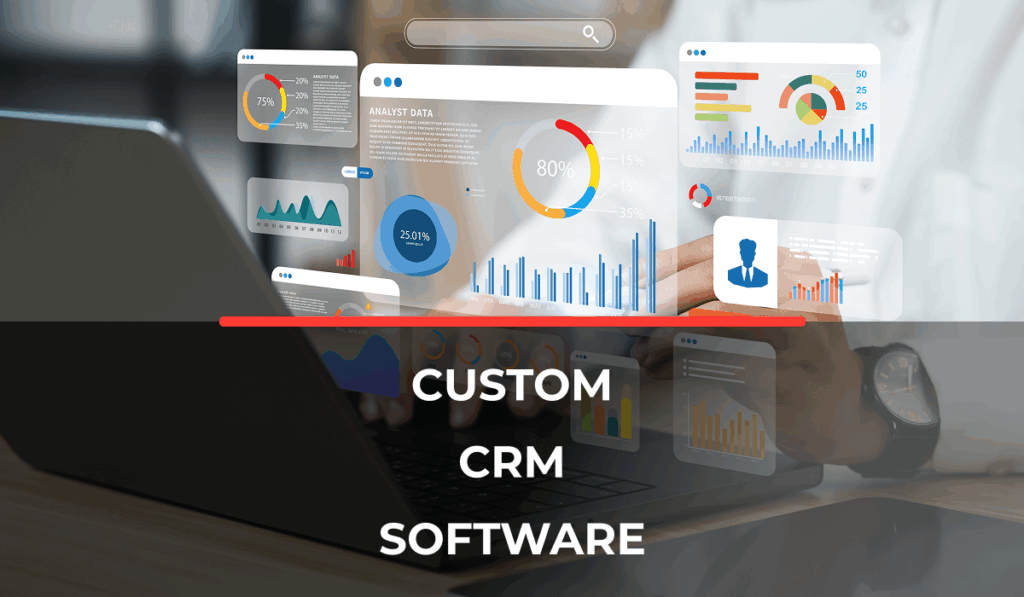
When diving into the world of CRM software, the magic lies in its customization capabilities. A well-tailored CRM system can supercharge your customer management strategy, ensuring it aligns perfectly with your unique business needs.
To truly harness the power of a CRM, it’s pivotal to focus on features that offer flexibility and scalability, allowing you to mold the software to your exact requirements. Let’s explore some of these essential features that make CRM customization a boon for businesses of all sizes.
Customizable Dashboards: Your Command Center
In a bustling business environment, time is of the essence. Customizable dashboards act as your command center, offering a snapshot of your most critical metrics at a glance. By tailoring your dashboard, you can prioritize the information that matters most to your team, ensuring that everyone remains laser-focused on objectives.
Custom Fields and Modules: Crafting Precision in Data Management
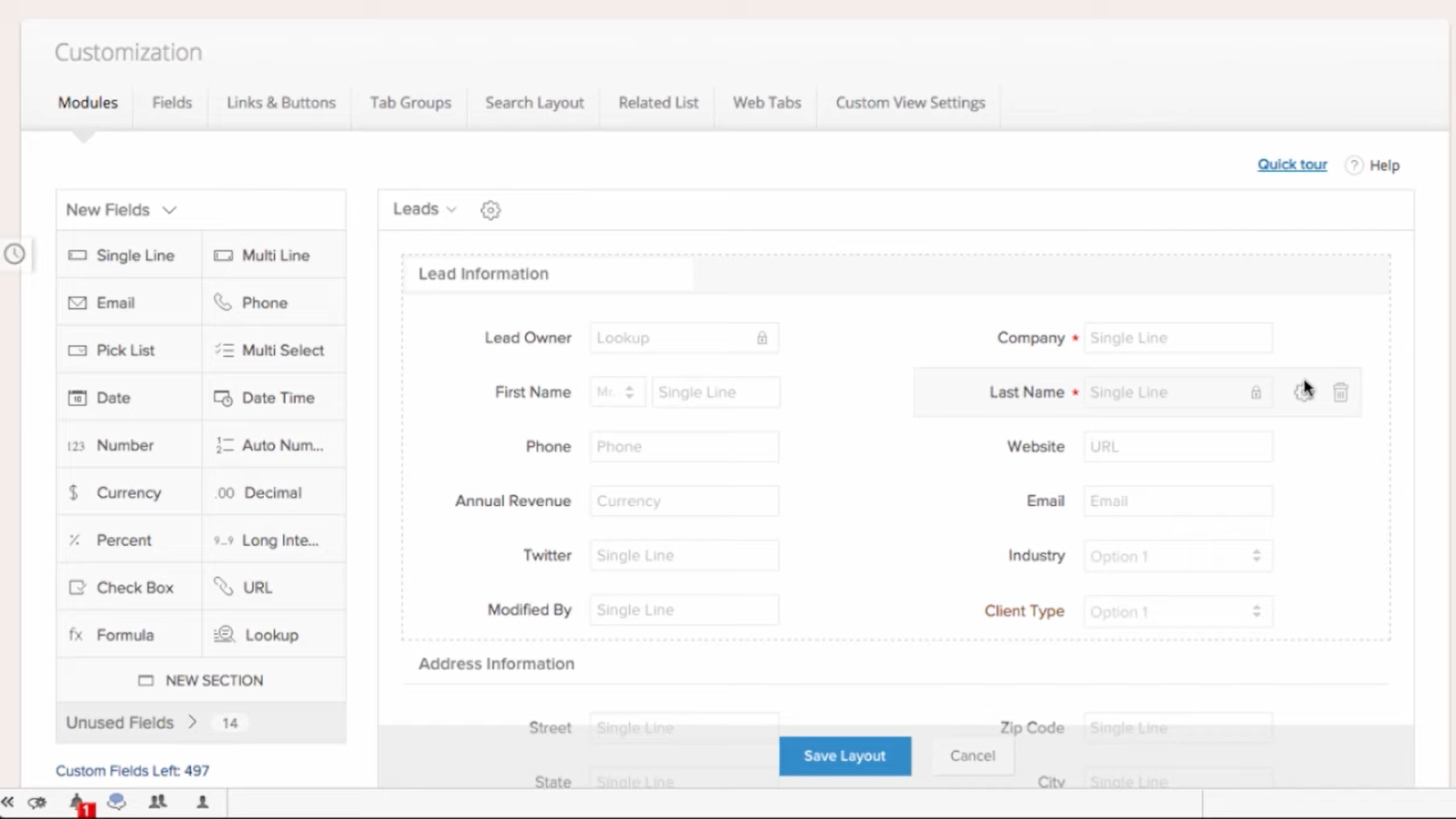
Every business is different, and so is the data that powers it. Custom fields and modules offer the precision needed to manage this data effectively. By creating fields unique to your business operations, you ensure that no valuable information slips through the cracks, paving the way for targeted strategies and improved customer relationships.
Here’s a structured view of these and other key CRM customization features:
| Feature Name | Description | Benefit | Use Case |
|---|---|---|---|
| Customizable Dashboards | Modify dashboards to display key metrics and data visualizations relevant to your role. | Enhances focus and efficiency by highlighting critical information. | Sales teams can track daily targets and performance effortlessly. |
| Custom Fields | Create unique fields to capture specific data points relevant to your business processes. | Facilitates data accuracy and relevance, enabling personalized customer interactions. | Retailers can track customer preferences and purchase history. |
| Custom Modules | Add or modify modules to better align with your operational workflow. | Improves workflow integration and process automation. | Service departments can create a module for tracking support requests. |
“A customized CRM transforms data into actionable insights, tailored to your unique business needs.”
Implementing CRM Customization

Implementing CRM customization can transform how your business interacts with customers, improving both efficiency and personalization. It’s crucial to follow a structured approach to ensure a seamless integration that meets your specific business needs.
Customization should not only align with current processes but also be flexible for future needs. Below is a step-by-step guide to aid in implementing CRM customization effectively.
Step-by-Step Guide to CRM Customization
To embark on a successful CRM customization journey, businesses need to follow a detailed roadmap. Here’s a breakdown of the steps involved:
- Assess Your Needs: Begin with a comprehensive assessment of your business requirements. Identify the processes that need enhancement and the specific features that will add value.
- Select the Right CRM Platform: Choose a CRM platform that offers the flexibility and features necessary for customization. This choice will significantly impact the ease and depth of customization.
- Develop a Customization Plan: Draft a detailed plan that artikels the customization objectives, timelines, and resources required. This plan should also include a risk assessment to anticipate potential challenges.
- Engage Stakeholders: Involve key stakeholders from different departments to gather insights and ensure the customization aligns with cross-functional needs.
- Collaborate with Experts: Work with CRM specialists or third-party consultants with expertise in custom solutions to enhance the implementation process.
- Implement Incrementally: Roll out the customization in phases to manage changes effectively and allow for user feedback at each stage.
Testing and Validating Custom CRM Solutions
Testing and validation are crucial to ensure that the customized CRM solution functions seamlessly across all business operations. Here are some methods to consider:
- Conduct User Acceptance Testing (UAT): Engage end-users to validate that the CRM meets the defined requirements and performs as expected in real-world scenarios.
- System Integration Testing: Ensure that the customized CRM integrates smoothly with existing systems and databases, maintaining data integrity and consistency.
- Performance Testing: Assess the system’s performance under various load conditions to guarantee it can handle peak usage without degradation.
- Security Testing: Implement rigorous security checks to protect sensitive customer and business data from vulnerabilities.
- Feedback Loop: Establish a feedback mechanism for continuous improvement based on user experiences and testing results.
Checklist for Successful CRM Customization Projects
Ensure the success of your CRM customization project by following a comprehensive checklist. This will help in maintaining focus and achieving desired outcomes.
- Clearly defined objectives and goals
- Dedicated project team and resources
- Regular communication and updates with stakeholders
- Risk management and mitigation strategies
- Documentation of customization processes and changes
- Training programs for end-users
- Post-implementation support and maintenance plan
“Customization is not just about changing the software; it’s about transforming your business processes.”
Challenges and Solutions in CRM Software Customization
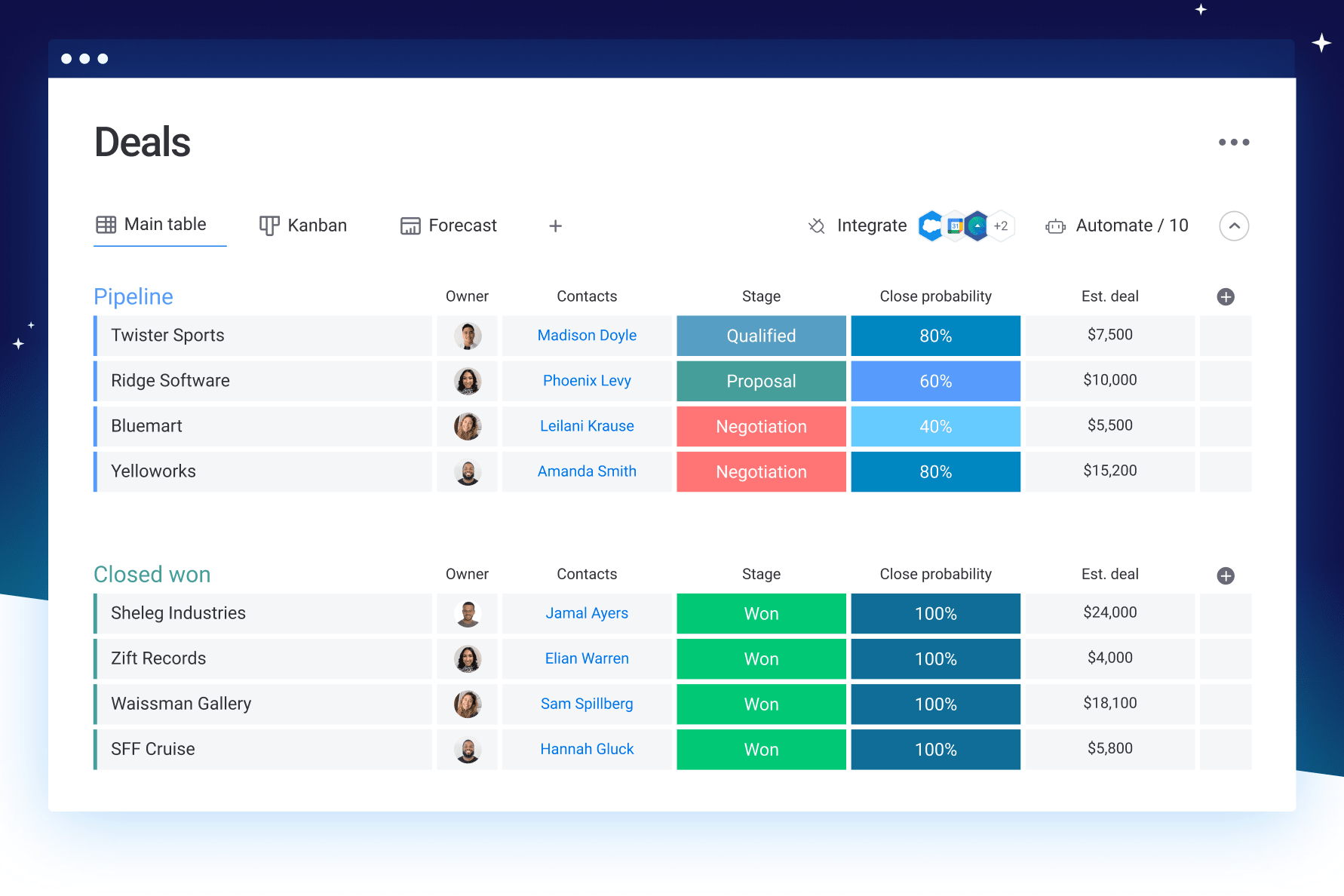
Customizing CRM software can empower businesses to tailor their customer relationship management to meet precise needs. However, this process is not without its hurdles.
Businesses often face a myriad of challenges when venturing into CRM customization. These can range from technical issues to user adoption, each requiring strategic solutions to ensure a seamless integration and utilization of the CRM system.
Understanding the Complexity of CRM Systems
Many CRM systems are inherently complex, and customization can add an extra layer of intricacy. This complexity may lead to unforeseen difficulties in implementation. To tackle this, businesses should engage with experienced CRM consultants who can guide them through the customization process, ensuring that changes are both effective and sustainable.
Integrating CRM Customization with Existing Systems
Integrating customized CRM solutions with existing business systems often poses significant technical challenges. Ensuring compatibility and data consistency is key. Solution: Utilizing middleware or integration platforms can facilitate seamless data exchange and synchronization between the CRM and other business applications.
“Integration is not just about technology, but harmonizing processes across platforms.”
Encouraging User Adoption and Training
Even the best-customized CRM software can falter without proper user adoption. Employees might resist change, especially if they are comfortable with existing systems. Solution: Comprehensive training programs and user-friendly customization features are vital. Involving users in the customization process can also foster a sense of ownership and ease the transition.
Comparing CRM Platforms’ Customization Capabilities
Different CRM platforms offer varying degrees of customization flexibility. Here’s a quick look at how some popular platforms stack up:
| CRM Platform | Customization Flexibility | Ease of Use |
|---|---|---|
| Salesforce | High | Moderate |
| HubSpot | Moderate | High |
| Zoho CRM | High | High |
| Microsoft Dynamics 365 | Very High | Moderate |
Examples of Successful CRM Customizations
In today’s dynamic business environment, CRM customization has emerged as a game-changer, enabling organizations to tailor their customer relationship strategies to their unique needs. This flexibility empowers businesses to enhance their operational efficiency and customer satisfaction.
Let’s delve into some real-world examples where CRM customization has driven remarkable results, especially for small businesses striving to outshine their competitors.
Detailed Case Study: Revolutionizing Operations with CRM Customization
Consider the inspiring journey of “GreenTech Solutions,” a mid-sized IT firm that faced challenges in managing its vast customer database. By leveraging CRM customization, they developed a bespoke dashboard that integrated seamlessly with their existing tools, enabling real-time data analysis and swift decision-making. As a result, customer response times reduced by 30%, directly enhancing client satisfaction and retention rates.
Small Businesses Harnessing CRM Customization for Better Customer Relations
For smaller enterprises, the ability to customize CRM systems can be a pivotal factor in maintaining a competitive edge. By tailoring features to align with their specific processes, small businesses can foster stronger customer relationships. For instance, “Cafe Delight,” a local eatery, utilized CRM customization to create a personalized loyalty program, engaging customers with targeted rewards and promotions that increased repeat visits and enhanced customer loyalty significantly.
CRM Customization Boosting Sales and Customer Satisfaction
Customization in CRM has not only improved internal workflows but also boosted sales outcomes. “TrendWear,” an online fashion retailer, integrated a dynamic CRM interface that tracked customer behavior and preferences. This data was used to implement personalized marketing campaigns that saw a 20% uplift in sales conversions within six months and a marked increase in customer satisfaction scores.
These examples underscore the transformative power of CRM customization, enabling businesses to adapt swiftly and effectively to changing market dynamics while enhancing the customer experience.
Future Trends in CRM Customization

The landscape of CRM software is rapidly evolving, with customization at the forefront of this transformation. In an era where personalized customer experiences are crucial, future trends in CRM customization promise to redefine the way businesses interact with their clients.
As technology advances, businesses must stay ahead by leveraging cutting-edge features to tailor CRM solutions that meet their unique needs. Understanding these trends is essential for companies looking to maintain a competitive edge.
The Rise of AI and Machine Learning
With the integration of Artificial Intelligence (AI) and Machine Learning (ML), CRM customization is set to become more intuitive and proactive. These technologies allow CRM systems to analyze vast amounts of data, predict customer behavior, and automate routine tasks, enhancing the overall user experience. Imagine a CRM that not only tracks interactions but also anticipates client needs, offering solutions before the client even realizes there’s a need. This evolution is not just about efficiency; it’s about creating deeper, more meaningful customer relationships.
Greater Emphasis on Data-Driven Customization
Data is king, and its role in CRM customization is expected to grow exponentially. Future CRM systems will harness data analytics to provide insights into customer preferences, enabling businesses to tailor their offerings more precisely. By utilizing data visualization tools, companies can gain a comprehensive understanding of customer journeys, helping them optimize their strategies and improve satisfaction levels. This trend underscores the importance of data literacy and the need for CRM solutions that can seamlessly integrate with other data management tools.
“In the next five years, CRM customization will not just be about adding new features; it will be about creating holistic ecosystems that adapt to the evolving needs of businesses and their customers.”
Summary
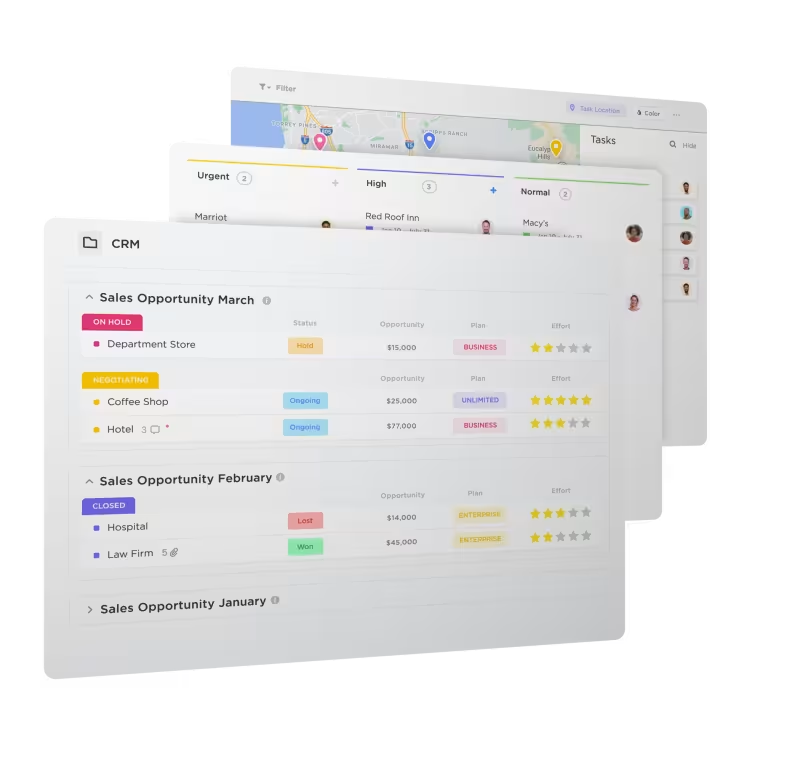
The journey to optimizing your business with CRM software featuring customization options is filled with opportunities and rewards. As you tailor your CRM to fit your unique business needs, you create a competitive edge that is hard to beat. Remember, the right CRM is not just about managing customer relationships—it’s about crafting experiences that build loyalty, drive sales, and propel your business into the future. Embrace the power of customization and watch as your business transforms into a well-oiled machine of success.